
If Christmas were a brand, Trinidad would own it.
In Trinidad and Tobago, Christmas has never been a single day. It is a season shaped by memory, effort, anticipation and ritual. It is built slowly, deliberately, in kitchens that become gathering places and in traditions that begin long before December arrives.
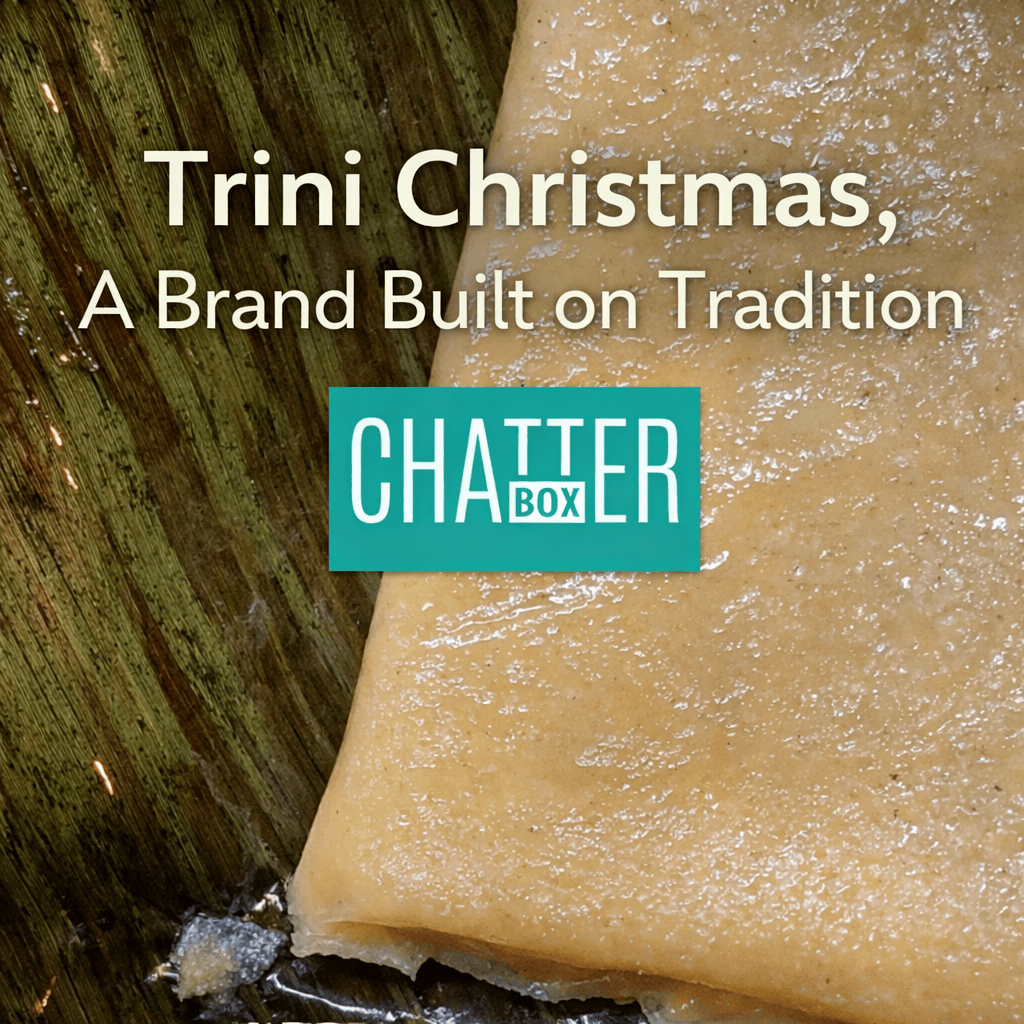
Some of my earliest memories of Christmas are in the kitchen, standing small between my mother and my grandmother, helping to make pastelles. Every year it was the same rhythm. Getting the cornmeal. Searching for capers. Going from grocery to grocery in San Fernando to see if you could get enough of everything because sometimes there simply was not enough. Christmas required planning. It required patience. It required community.
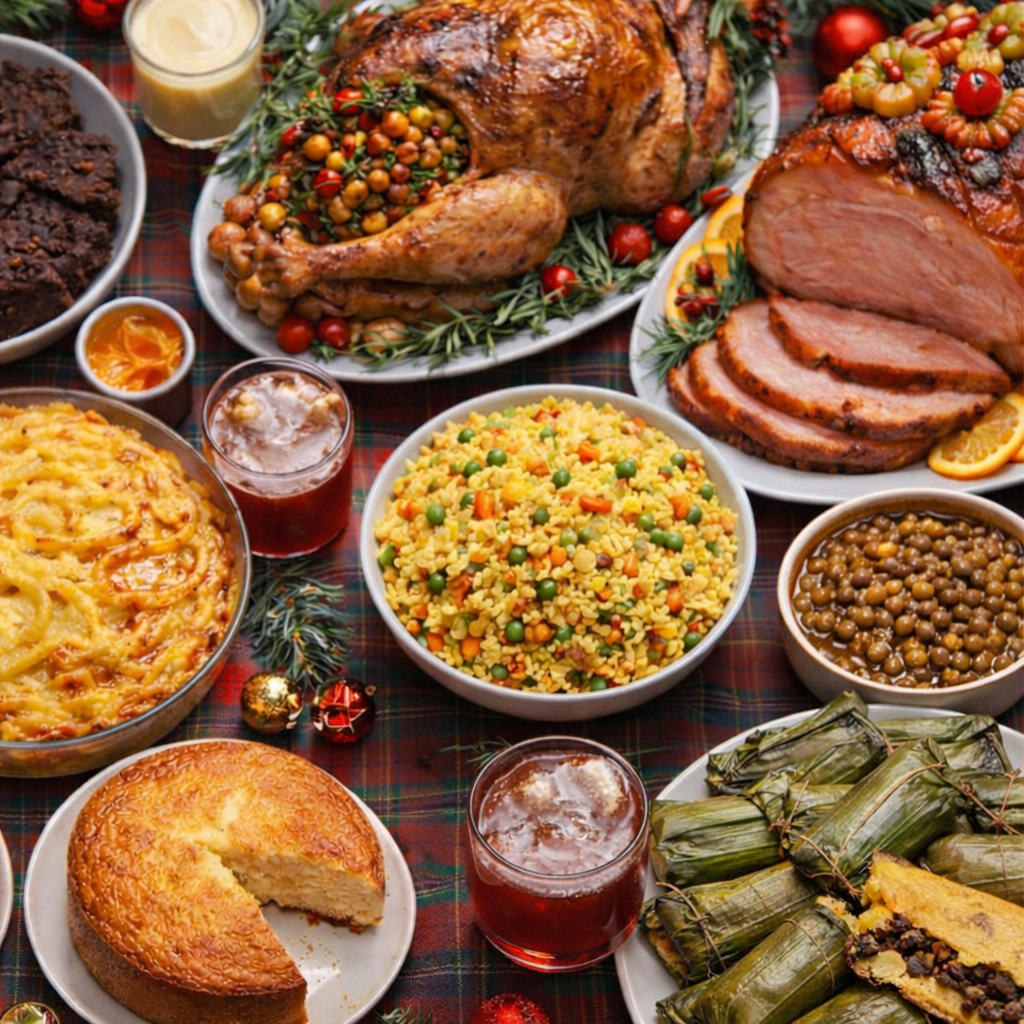
Making pastelles was never quick. It was a full day affair, sometimes longer. Everyone had a role. The matriarchs led. The aunties folded. The daughters learned. The nieces watched, helped where they could, absorbing the process without realising they were being trained to carry it forward. Not pastelle press in sight. Just hands working together with love. And as a little girl, I knew my reward. After all the work, after the wrapping and tying and steaming, I would get to eat my first pastelle of the season.
There was a signal for that moment. A big black pot with a heavy cover placed on the stove. Once that pot went on, I knew my pastelle was near. And then the waiting. The longest waiting. And then that first bite, hot and fragrant, tasting not just of food but of effort, of family, of continuity. That joy was unmatched.
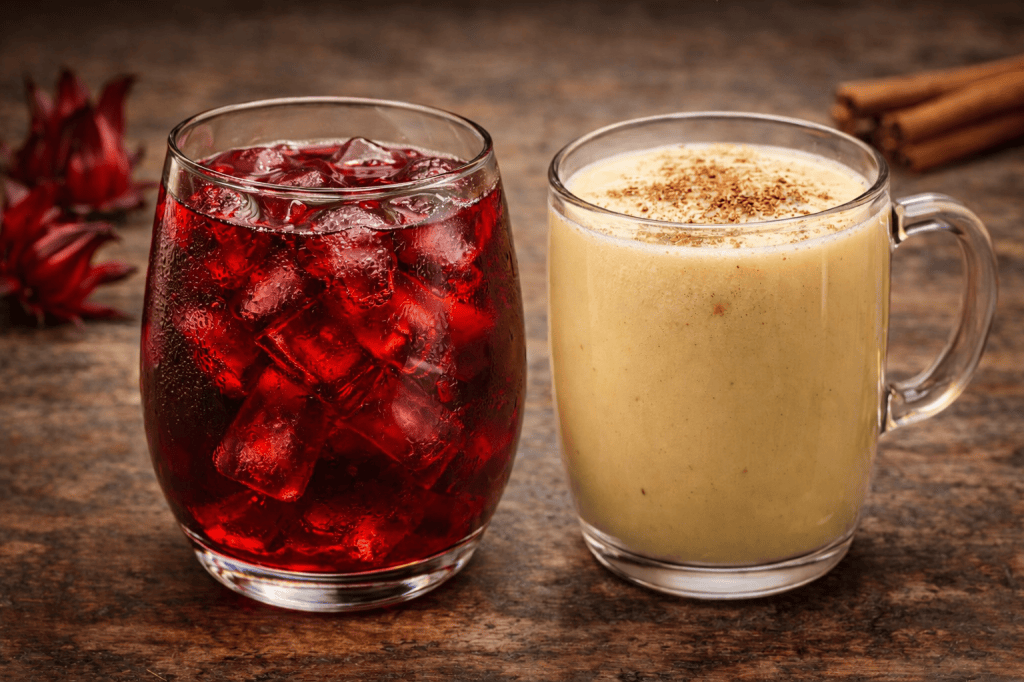
This is what makes Trini Christmas such a powerful brand. It is not built on spectacle. It is built on memory. On participation. On earned moments.
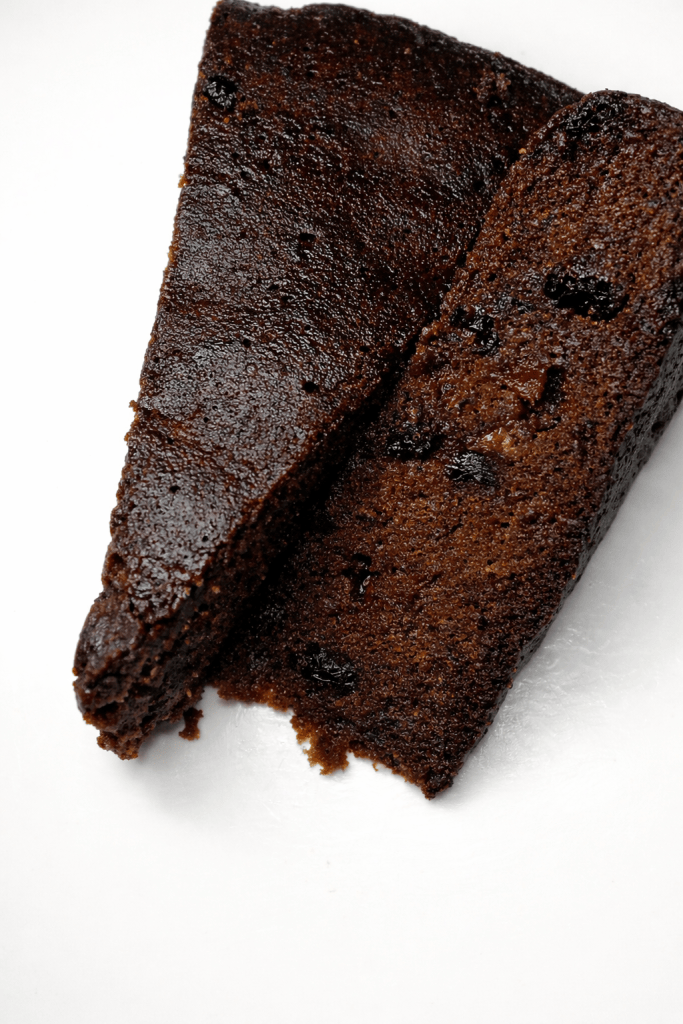
Today, you can get pastelles all year round. Sorrel in May. Gingerbread whenever you want. Black cake outside of December. On one level, it is wonderful. I lived outside of Trinidad for many years. I did not come home for every Christmas back then. I missed these things deeply. There is a kind of gluttony that creeps in when you have been without. You see a pastelle and you want it immediately, regardless of the season.
But something else is happening too.
Convenience is beginning to override ritual. Pastelles in the grocery freezer. Christmas lunches catered instead of cooked together. Fewer kitchens filled with generations working side by side. Less soaking of fruits months in advance for black cake. Less garlic pork prepared with intention, knowing it will sit and develop and wait for its moment. Artistes demanding Soca airplay when it’s parang season.
And that is where the brand is at risk.
Trini Christmas works because it is concentrated. Because it lives in December and spills gently into the early days of January. Because it demands effort. Because it requires time. When everything is available all the time, the anticipation dulls. The waiting disappears. The memory weakens. Some forget and the younger ones may not even know.
From a brand perspective, this is critical. The power of Trini Christmas lies in its seasonality. Its exclusivity. Its insistence on preparation. It is not meant to be diluted. It is meant to be anticipated.
This is also why I believe Trini Christmas has the potential to be a tourism brand but only if it is protected. Not packaged for convenience. Not stripped of its labour. Visitors should not just consume Christmas here. They should witness the making of it. The shopping. The cooking. The cleaning. The new curtains. The late nights. The shared responsibility. The laughter. The arguments. The learning.
Because Trini Christmas is not just about food. It is about women passing knowledge quietly across generations. It is about effort being valued. It is about community over efficiency.
If Christmas were a brand, Trinidad’s would be built on authenticity, memory and participation. A brand that reminds us that some things are better when they take time. That effort is part of the joy. That tradition is not something to streamline.
It is something to protect.


