
Eat Ah Food has never asked to be liked. It has never pleaded for attention or shaped itself to fit the mood of the moment. From the beginning, co-founder Baidawi Assing made a quiet but deliberate decision about what this platform would be and what it would refuse to become. Eat Ah Food would not be an eating blog. It would not be a running commentary on what was hot, hyped or trending. It would be food media, grounded in research, curiosity and journalistic integrity, built on the belief that food deserves to be documented with the same seriousness as art, music or history.
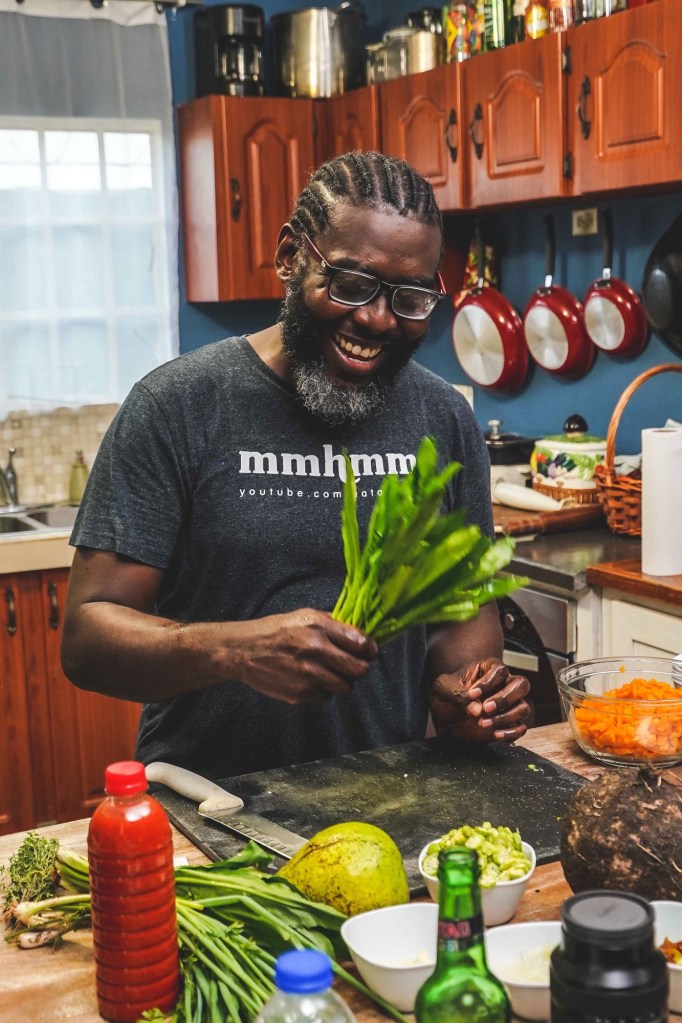
That distinction matters. In a digital culture crowded with reactions and reviews, Eat Ah Food chose a slower lane. One that privileges context over commentary and understanding over immediacy. Watching the work over time, you realise that this is not content designed for fast consumption. It is work meant to be absorbed. Revisited. Learned from.
There is a distinctly filmic quality to Eat Ah Food that sets it apart. The camera does not rush. Shots linger on hands, soil, steam, faces. Conversations unfold without interruption. Food is never treated as spectacle. It is treated as language. One that carries memory, labour, migration and care. Whether the story takes you into a home kitchen, onto a farm or across the islands, the tone remains the same: calm, deliberate and deeply respectful.
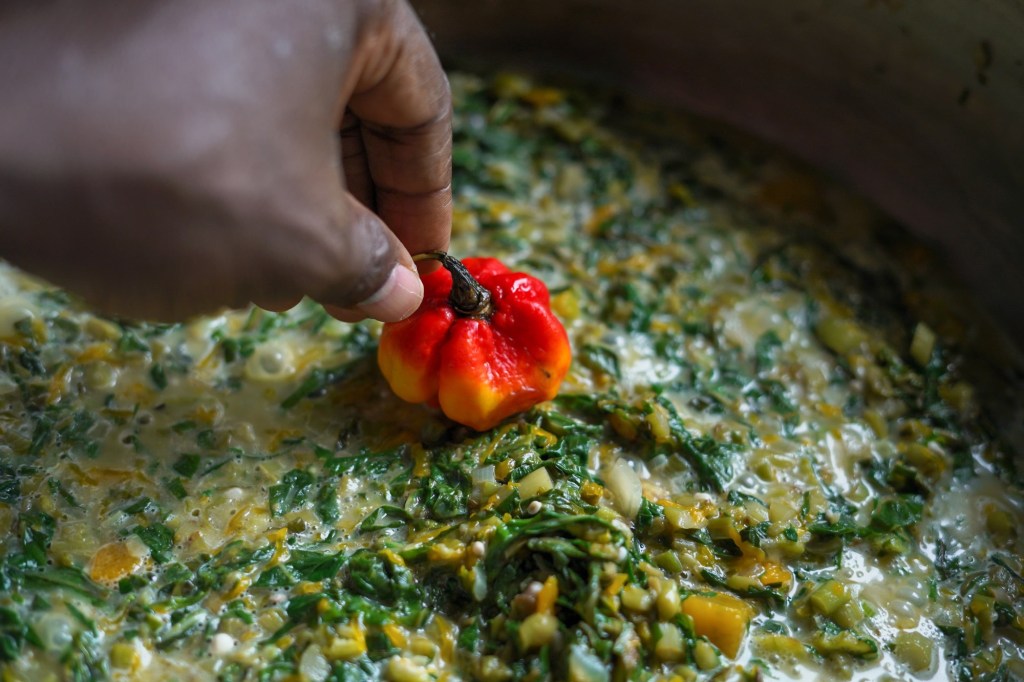
That respect is most evident in the way people are centred. Farmers are not background texture. They are storytellers. Viewers are introduced to the people who grow, harvest and supply the ingredients that make Caribbean food possible. The work takes you into fields and farms, tracing food back to its source and restoring visibility to labour that is too often overlooked. In doing so, Eat Ah Food reframes how we understand value. Not as what ends up on the plate, but as everything that leads there.
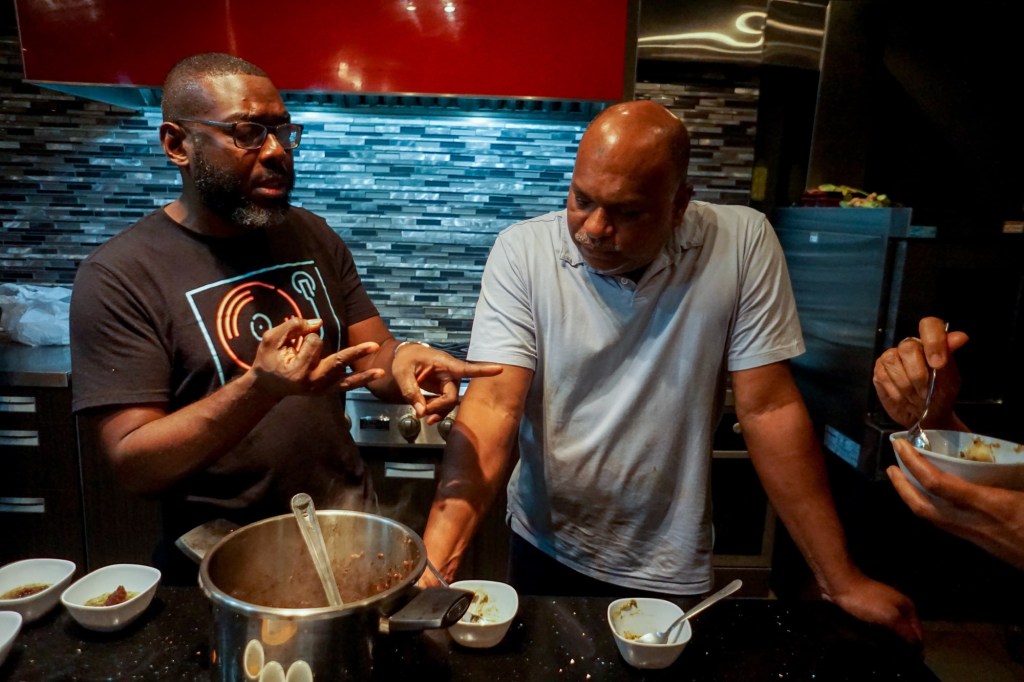
Over the years, the channel’s YouTube output has become a living archive of Caribbean food culture in motion. Popular formats and episodes do not chase novelty. They deepen familiarity. Viewers return to long-running explorations of local dishes, regional food journeys, and episodes that move through Trinidad and Tobago with food as the entry point into culture and place. These are not lists or rankings. They are guided experiences. The kind that invite you to see the familiar differently and to recognise the extraordinary in the everyday.
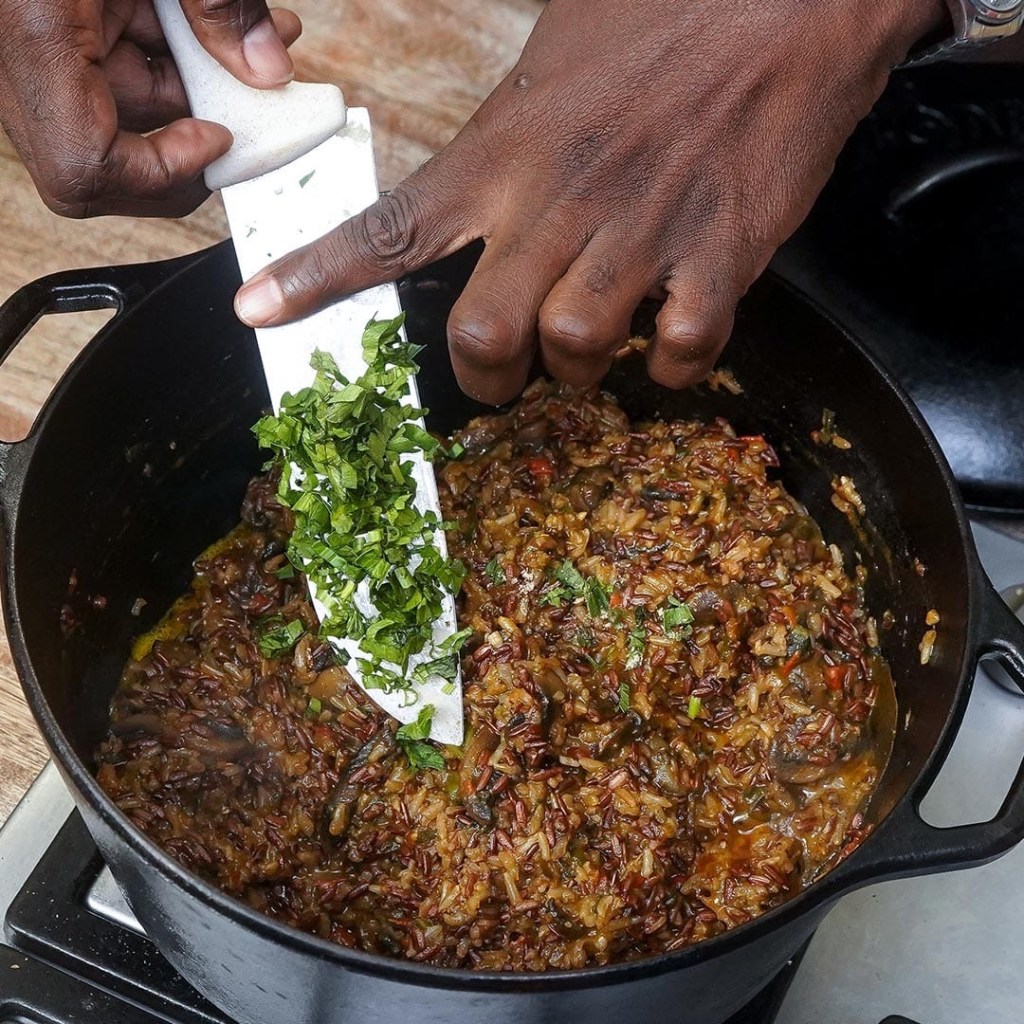
What makes this body of work remarkable is its consistency. Across hundreds of videos and years of storytelling, the voice never fractures. Whether profiling street food, visiting restaurants, speaking with farmers or unpacking ingredients, the same discipline applies. Ask better questions. Provide context. Let the subject breathe.
That discipline has quietly built one of the most influential food media platforms to come out of Trinidad and Tobago. Across its digital ecosystem, Eat Ah Food now connects with a community of more than 300,000 people with millions of views collectively, built steadily over more than a decade. Not through shortcuts. Not through spectacle. But through trust. The archive itself tells the story. A record so extensive and intentional that it functions less like a content feed and more like a cultural library.
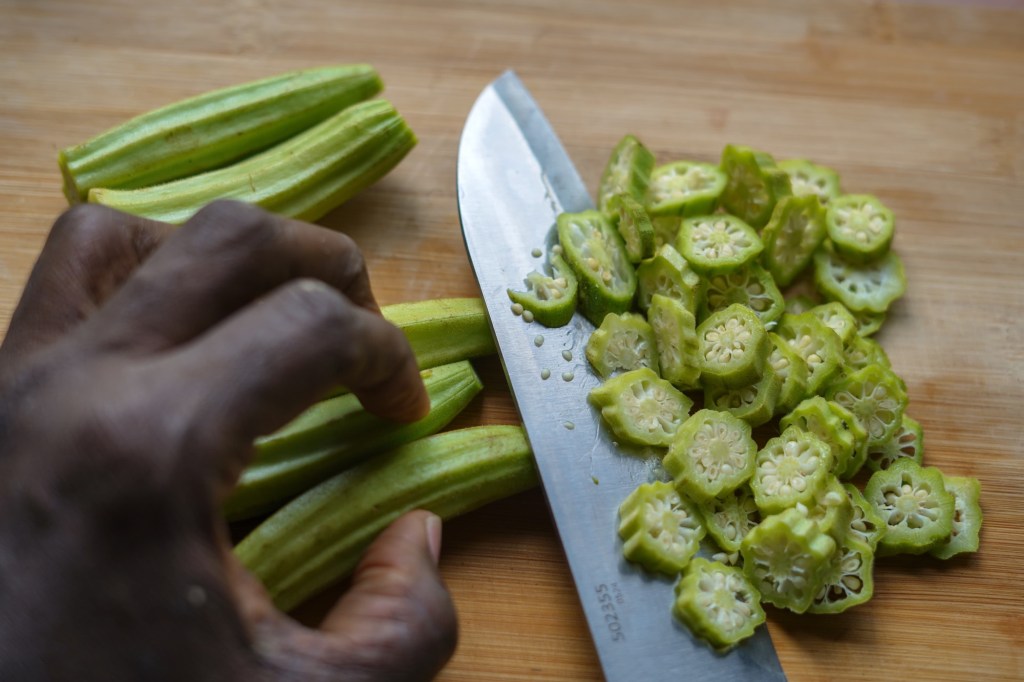
Eat Ah Food’s impact is also visible in the trajectories it has intersected with. Over the years, the platform has helped spotlight and support a generation of local makers and creatives, often long before wider recognition followed. One of the clearest examples is Renee Andrews, whose work in food and craft intersected with Eat Ah Food before she went on to build what is now Sorvete Ice Cream. It is not an anomaly. It is part of a pattern. Eat Ah Food has consistently created space for people to be seen properly, without reducing their work to novelty or trend.
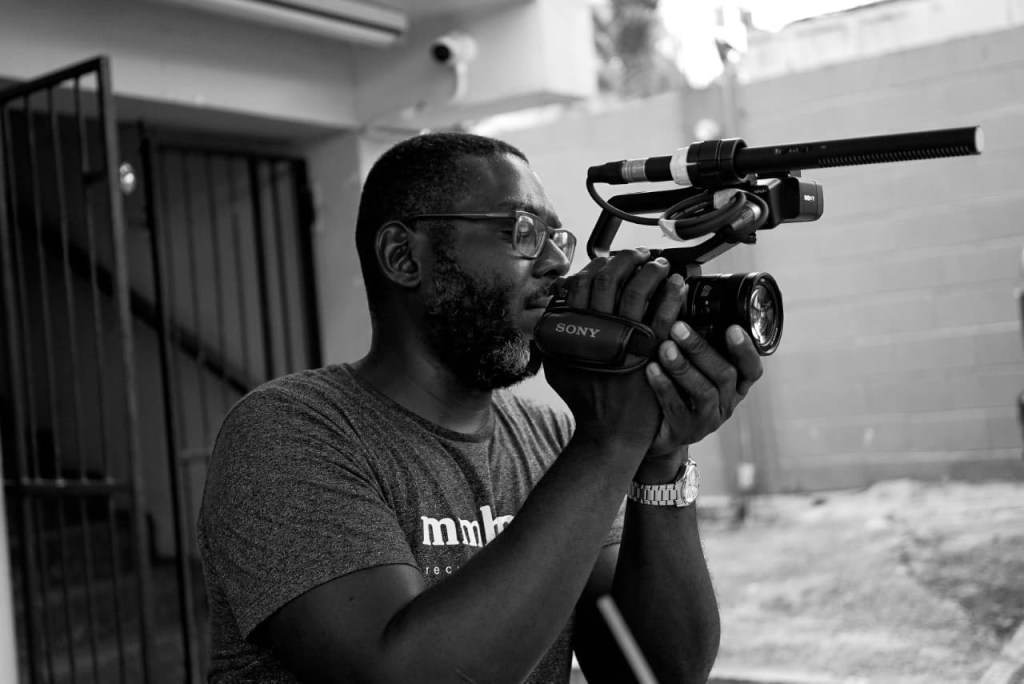
This is the quiet power of the platform. It does not manufacture moments. It documents movements.
In a recent reflection, Baidawi spoke openly about the evolution of food media and the increasing pressure to chase trends and vanity metrics. His response was not defensive. It was resolute. Eat Ah Food would continue to prioritise research, learning and sharing in that process. It would continue to create meaningful content. It would continue to be a voice people could trust. Not everyone would be reached and that was never the goal. What mattered was reaching the right people.
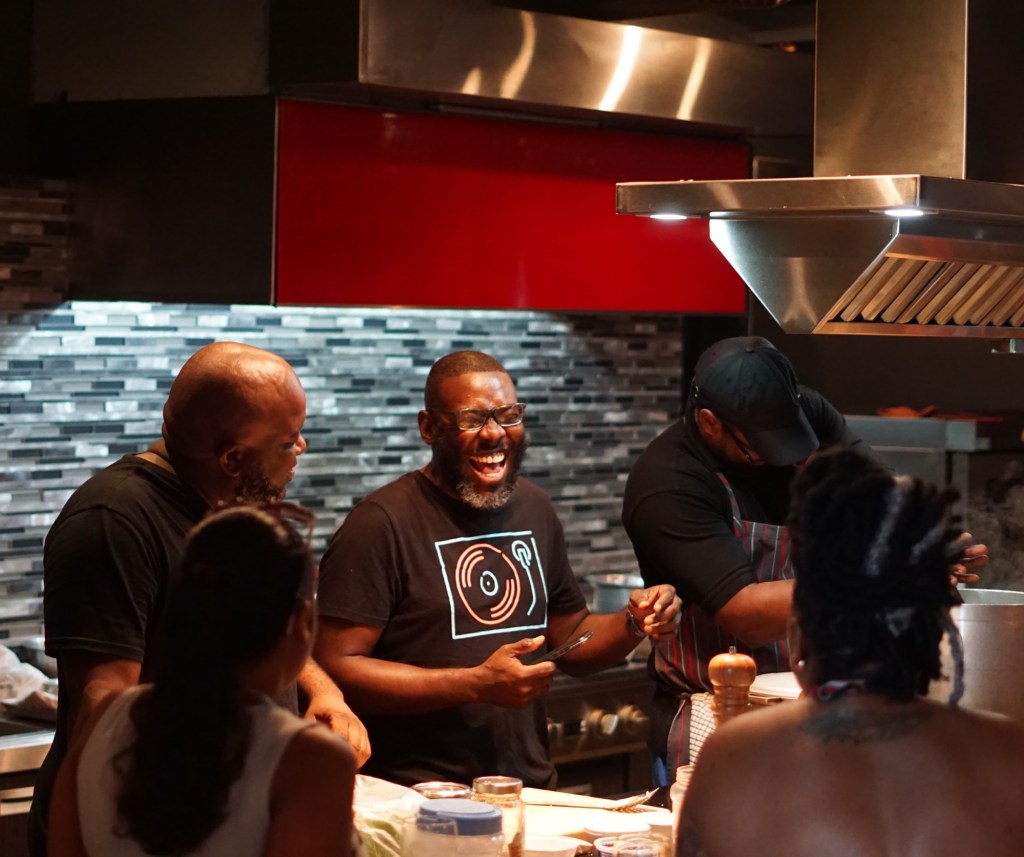
That clarity is the reason Eat Ah Food has endured. It understands that food media carries responsibility. That documenting culture requires care. That consistency is more powerful than virality and that depth outlasts noise.
Eat Ah Food exists for those who care about food beyond the plate. For those who want to understand where things come from, who grows them, who prepares them and why they matter. It is food as culture. Film as documentation. Media as stewardship.
And that is why Eat Ah Food has lasted. Not because it tried to be everywhere, but because it committed, quietly and rigorously, to telling the story properly.
You can connect with Eat Ah Food below:


