
Carnival has a habit of disguising discipline as magic. A song takes over the road, the crowd moves as one and by Ash Wednesday the explanation sounds simple: it just happened. But nothing that wins repeatedly, across decades, happens by accident.
When Machel Montano wins Road March, it is never only about a hit song. It is about understanding people. How they live. How they work. How they release stress. How they want to feel when they step onto the road. Machel has won more Road March titles than any other artiste because he understands Carnival not as chaos but as behaviour.
That understanding has been built over time. Long before streaming numbers, viral moments and social media commentary, Machel was already reading the road with precision. Early Road March wins like Big Truck and Band of de Year were not flukes. They were evidence of cultural intelligence. He knew what people wanted to shout without thinking. He knew where they wanted to stand, when they wanted to jump, and how long a song needed to last to dominate two full days on the road.
That is not luck. That is strategy.
Last year, Pardy won Road March because it met Trinidad and Tobago exactly where it was. Tired. Overworked. In need of permission to let go. “We work so hard every week. We deserve a pardy.” That line worked because it was emotionally precise. It validated real life. The song did not try to impress. It tried to connect. And it did.
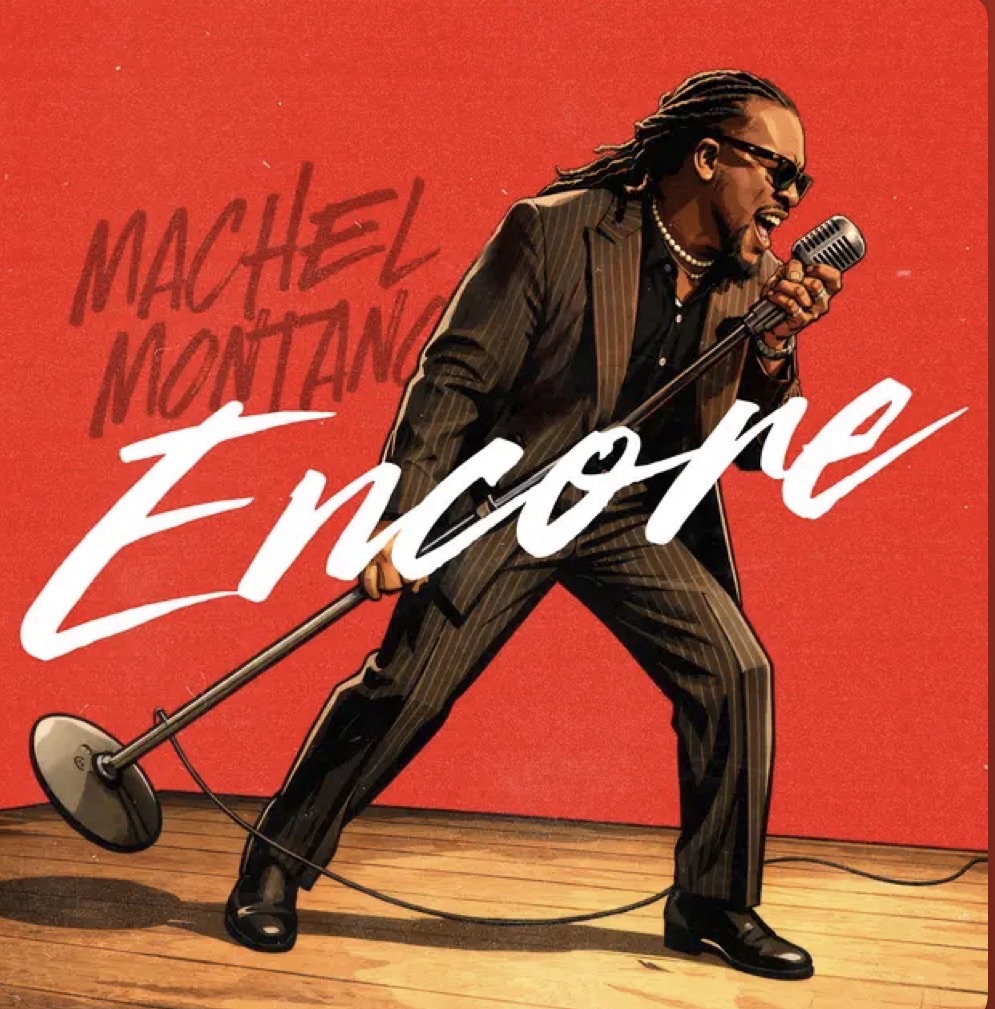
This year, Encore takes a different approach. It does not offer rest. It raises expectations. “You only as good as yuh last performance.” That is not comfort music. It is a challenge. A reminder that greatness is not a moment, it is something you must deliver again and again. One more. Encore.
What links these two Road March-defining songs is not hype or coincidence. It is intention. And it is authorship.
Both songs were written by Andre Jeffers and this is where the story becomes impossible to ignore. Andre Jeffers is not only a songwriter. By career, he is a chief strategist. That matters. Deeply.
He does not approach lyrics casually or emotionally alone. He approaches them the way a strategist approaches any objective. Who is the audience. What are they feeling right now. What behaviour needs to be triggered. What language will travel fastest through a crowd. What message will still work when it is shouted, repeated, replayed and lived inside the road experience.
This is why the lyrics are simple without being shallow. Repetition is deliberate. Call and response is structural. These songs are designed to move through crowds, trucks and judging points without friction. They tell people what to do without ever sounding instructional. Sing this. Jump here. Do it again.
This is strategy applied to culture.

Strategy is not corporate jargon or creative restriction. Strategy is clarity of intention. It is knowing what you are trying to achieve before you create. It is understanding who you are speaking to, what you want them to feel, and what behaviour you want to encourage.
In Carnival, strategy wins Road March.
In business, strategy builds brands.
Machel Montano understands this instinctively because he has lived it for decades. Andre Jeffers understands it because he crafts strategy professionally. Together, they prove that sustained success is not about chasing trends but about reading people honestly and responding with purpose.
This is the lesson local entrepreneurs should not ignore.
Before launching the idea, before designing the logo, before posting the content, ask the same questions these Road March wins answer so clearly. Who is this for. What emotion am I tapping into. What do I want my customer to feel. What behaviour am I trying to encourage. Loyalty. Joy. Relief. Belonging.
Machel Montano and Andre Jeffers do not just make songs. They tap into work life, stress, celebration, pride and identity. They meet Trinidadians and Tobagonians exactly where we are and then lead us where they want us to go.
That is why strategy keeps winning Road March.
And that is why this story keeps repeating.


Solid analysis. It’s worth pointing out that everything MM knows about winning Road Marches he learned from Super Blue, who invented the template for the modern Road March with his 3-peat of wins in the early 90s. No one understood/understands the essence of the what resonates with a masquerader, the essence of Carnival itself, better than Super Blue. MM and his writer mimic the basic building blocks of Super Blue’s masterpieces. Whether that is some evidence of brilliant strategic execution can be debated. What can’t be is the fact that Super Blue’s 3-peat provided the roadmap for everyone who aspired to win the Road March since.
LikeLike
Great piece.
LikeLike