
In Trinidad and Tobago, conversations around mental health have long lived on the fringes, tucked behind closed doors or whispered quietly, often laden with stigma or misunderstanding. But change is coming, slowly and steadily. More people are starting to explore therapy. Burnout is becoming easier to name. And the idea of self-care is finally shifting from trend to necessity. At the heart of this growing movement is Ramose Therapeutic Consultancy, a social service agency offering mental health and wellness services to individuals, couples, families and organizations. This is a brand rooted in compassion and fuelled by purpose. And its story is one of legacy, resilience and healing.
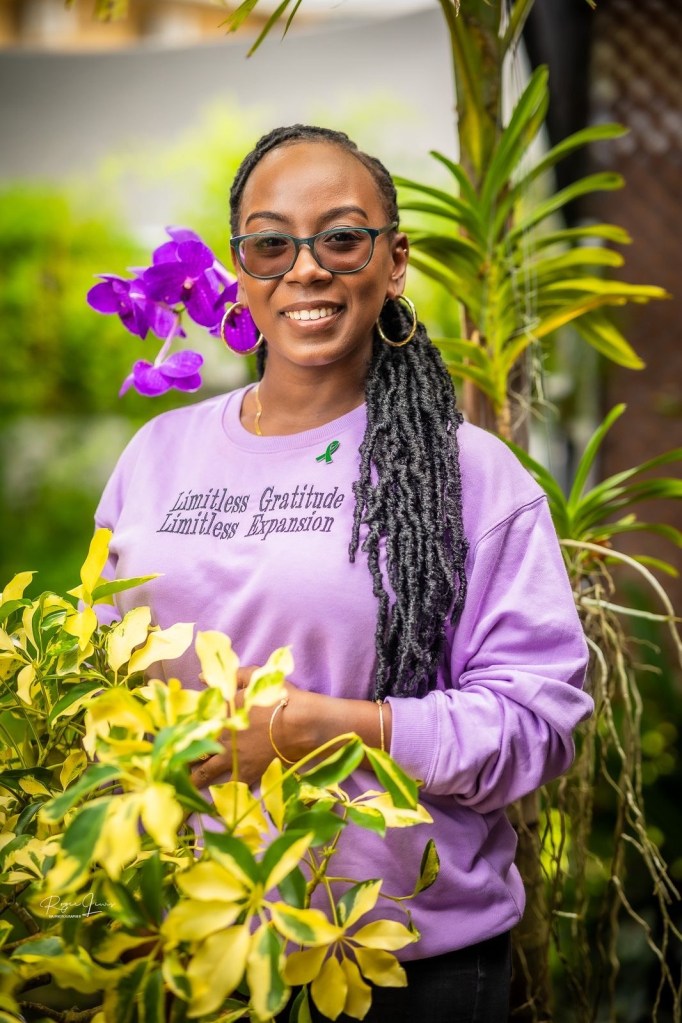
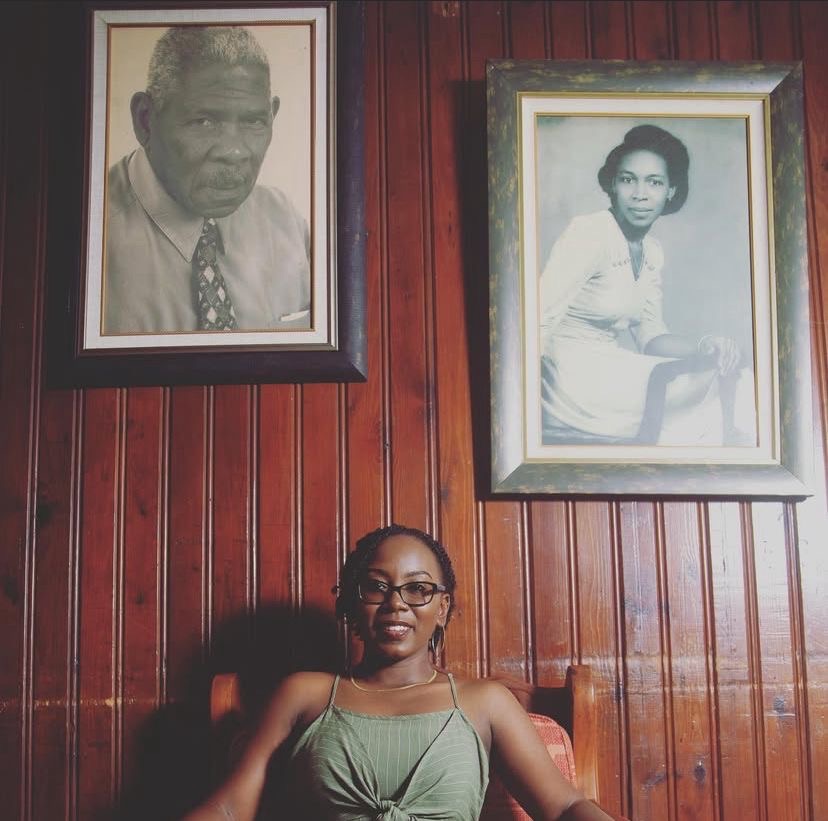
Ramose Therapeutic Consultancy was founded by a woman who didn’t just want to build a business, she wanted to build a space. A space where people could feel seen and heard. A space where care wasn’t just clinical but deeply personal. She named the business after her own family name, Ramose, a name that carries a legacy of service and community. Her grandfather left a lasting impression on those who knew him. When his name is mentioned, stories pour in about how he helped others, gave of himself and lived with purpose. That legacy became the foundation for her own path. In naming her business Ramose, she was claiming that heritage of service while forging something uniquely her own using her name. She was saying: this is who I am, this is what I do and this is the impact I want to leave behind.
What makes the story of Ramose even more powerful is that it’s not a full-time venture, at least, not yet. The founder still works a full-time job and has structured her life to allow her to run her practice outside of traditional working hours. She sees clients during the week in the evenings and also operates on Saturdays and some Sundays. Her time is carefully blocked out for client sessions, administrative work, note writing and project development. There’s discipline here and also something else, a deep sense of balance. She’s not rushing the process. She’s building something sustainable, one step at a time. And that, in itself, reflects the philosophy at the heart of Ramose, intentionality.
Her journey into entrepreneurship wasn’t always part of the plan. In fact, she admits that for a long time she didn’t feel the need to start her own business, she was comfortable in her job and in her role. But things changed in 2020. Like so many others, the pandemic brought uncertainty. She was laid off from her permanent role and suddenly, comfort was no longer on the table. What could have been a moment of fear became a catalyst. She moved into action, drawing on her training, her experience and her long-standing desire to create something that felt like her. Ramose was born, not just as a response to circumstance, but as a realization of something she’d carried within her for a long time. And nearly five years later, the business continues to grow, slowly, steadily and meaningfully.
The work Ramose does is situated within a wider landscape that is still evolving. In Trinidad and Tobago, mental health care is not always easy to access. Public services exist, but they’re often stretched thin. Many people still don’t feel safe talking about their mental health. And for service-based practitioners, running a private practice in this space requires more than just skill, it demands vision, patience and empathy. That’s why Ramose is so important. It’s not just about offering therapy or wellness coaching. It’s about creating a space that feels safe, inclusive and grounded in our local context. Sessions are personalised. Services are flexible. The founder understands that people are juggling work, family, responsibilities and internal struggles. She meets clients where they are, both emotionally and practically.
And this approach matters now more than ever. Around the world, but especially here at home, people are tired. Burnout is common. Anxiety is rising. Social media has created a kind of pressure and performance that’s difficult to switch off from. Self-care has become a trending hashtag but it’s often misunderstood. True self-care isn’t just bubble baths and scented candles; it’s learning to say no. It’s setting boundaries. It’s checking in with yourself, asking hard questions and giving yourself permission to rest. The founder of Ramose has built a brand that reflects this deeper understanding of wellness. Through her work, she supports people to not only navigate crisis or trauma but develop habits that sustain them beyond the therapy room.
That work extends beyond one-on-one sessions. Over the years, Ramose has been involved in significant national projects. The founder helped design and implement a comprehensive sexual education programme that has since been introduced in private secondary schools across Trinidad and Tobago. She also contributed to the development of the National Child Policy, an achievement that speaks to both her expertise and her commitment to systemic change. Through her private practice, she has supported hundreds of men, women and children. And in her own right, she’s hosted a wellness retreat titled “A Different Approach to Self-Care,” designed to help participants rethink what self-care really means in the context of their lives.
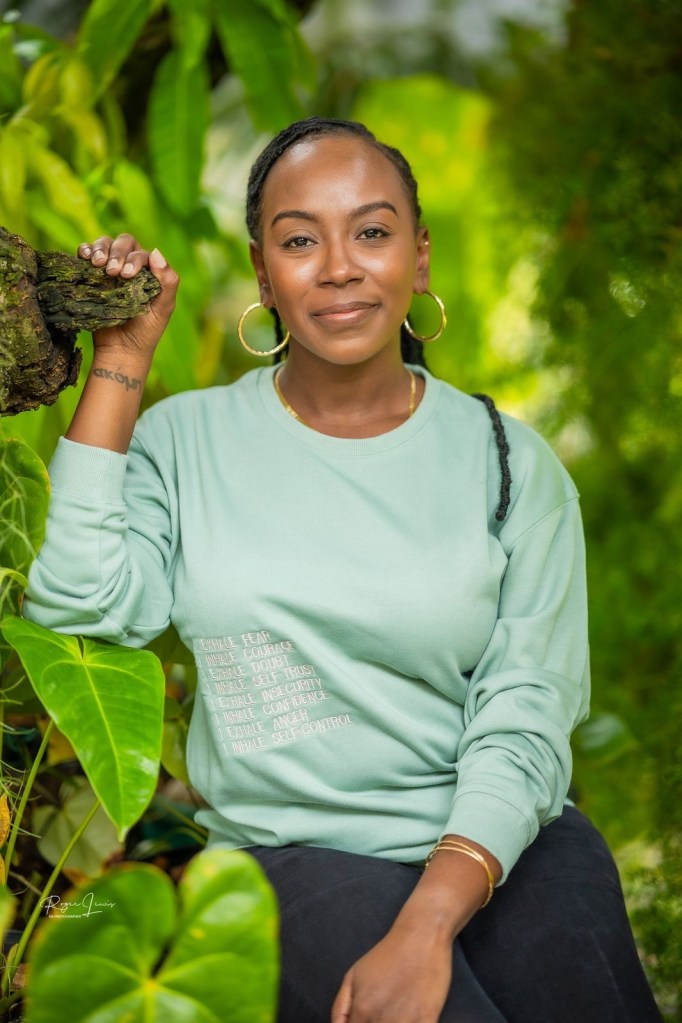
What’s clear when speaking with the founder is that she’s not interested in surface-level change. She’s here for the long game, for transformation. One of the biggest lessons she’s learned as an entrepreneur is the importance of believing in yourself. Not the motivational poster kind of belief, but real, unwavering conviction. The kind of belief that sustains you when things get hard, when the income isn’t steady, or when self-doubt creeps in. That belief is what carries her, even as she continues to navigate the balance between her employee role and her entrepreneurial journey.
When asked what advice she would give to other aspiring entrepreneurs, her response is both simple and powerful: start today. There will never be a perfect moment, never a time when everything lines up exactly as you hope. But what you can do is start with what you have, present it well and keep growing. For her, getting started was the milestone. Everything else, the achievements, the recognition, the client success stories, came after.
Her approach to branding is just as thoughtful. She defines a brand as what people see and remember you for, the perception they hold in their minds when they hear your name. And the difference between a business and a brand? A business is what you do. A brand is how you make people feel. This understanding has shaped everything about Ramose, from the tone of communication to the way clients are welcomed. There’s a warmth and sincerity that runs through it all.
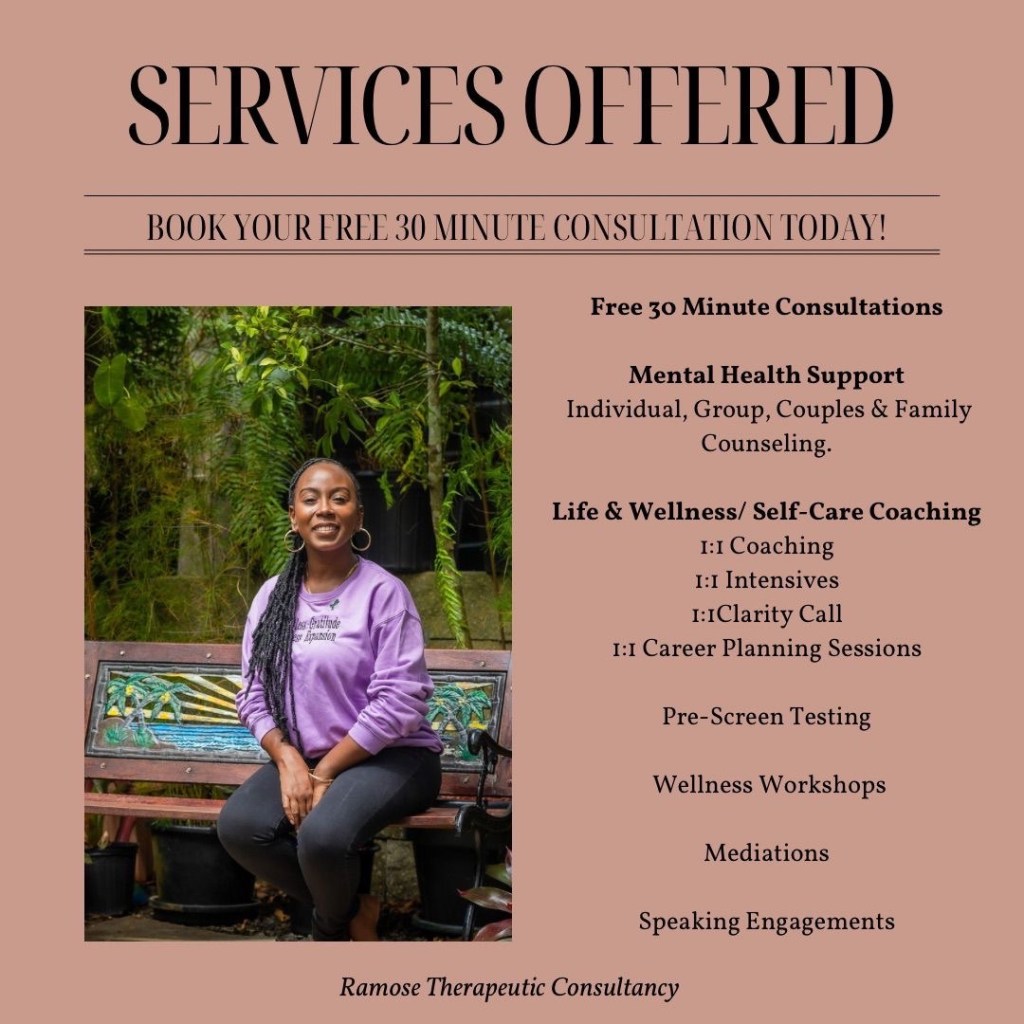
As a service-based business, Ramose doesn’t show up at craft markets or host product pop-ups. But the brand does take part in community events when invited, always looking for meaningful ways to connect and contribute. And when it comes to the local brand community in Trinidad and Tobago, the founder is full of praise. She loves seeing the creativity, passion and pride that so many entrepreneurs bring to their work. She’s inspired by how rooted local brands are in culture and history, and the standard of excellence many of them are maintaining.
Ramose Therapeutic Consultancy may be small in size but its impact is wide-reaching. It’s a brand that invites people to come home to themselves, to prioritize healing, to explore emotional wellness and to do the work of living intentionally. It’s a space where therapy is not just about problems, but about growth, clarity, and purpose. And it’s a reminder that legacy isn’t always loud, it can be quiet, deliberate and built session by session, conversation by conversation, choice by choice.
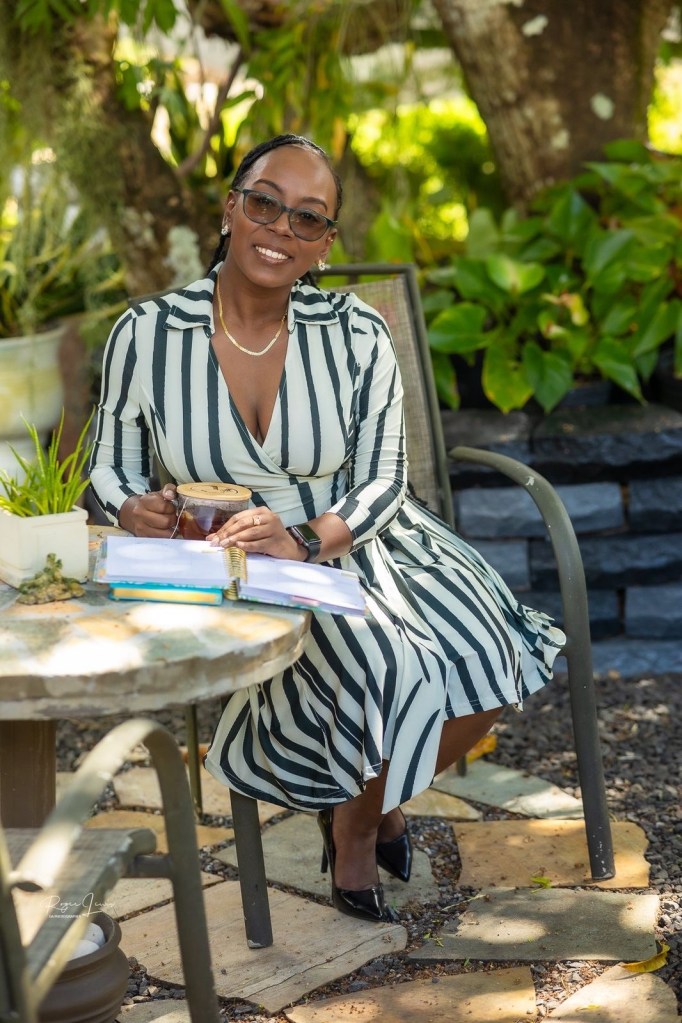
In a time when many are struggling silently, Ramose stands as a beacon of hope. Rooted in the past, responsive to the present and invested in the future, this is a brand that shows what it means to serve with heart and to build with care. It’s proof that healing is possible, that self-care is powerful and that local brands are not just businesses, they are movements.


