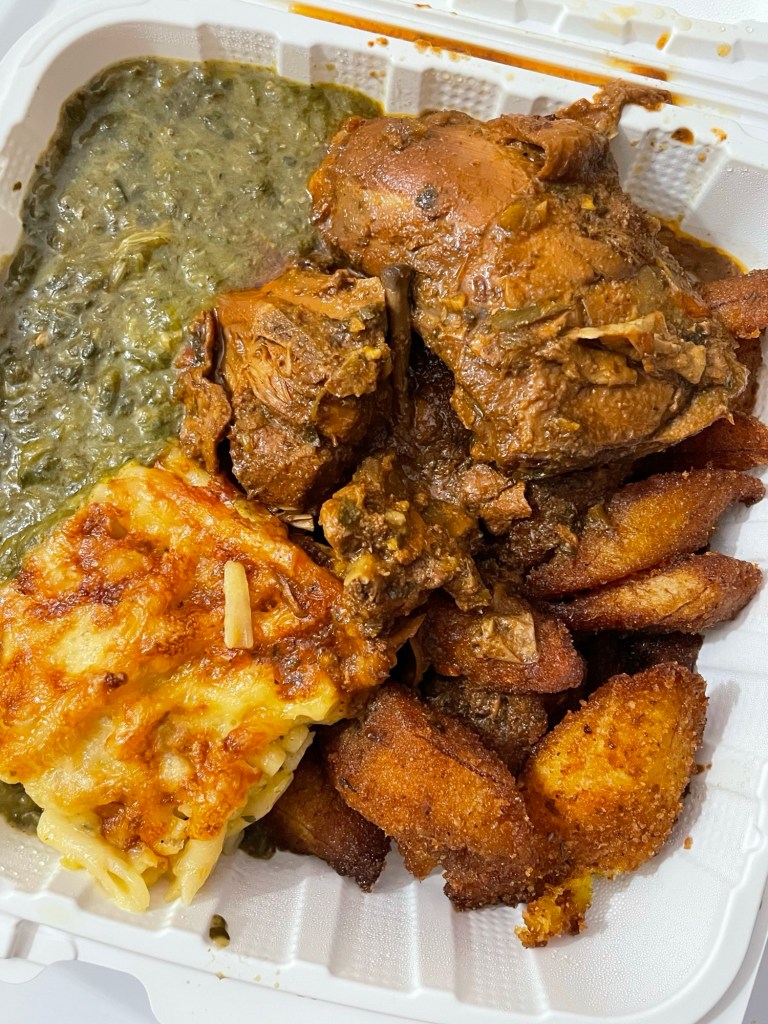
I’ve been thinking a lot about food lately. Not in the what-should-I-eat-today way, but in the way food quietly carries history. The way it holds memory, migration, survival and love in plain sight. Food has always been a big part of my life. It has been how people showed care. How culture was protected. How stories were passed on when words alone were not enough.
That’s why I’m launching this series, The Food That Made Us.
Trinidad and Tobago is a place shaped by convergence. People arrived here from Africa, India, China, Europe and the Middle East. Some came willingly. Some came by force. Some arrived searching for opportunity while others arrived carrying loss, displacement and uncertainty. Africans were brought through enslavement. Indians arrived as indentured labourers. Chinese migrants came seeking trade and survival. Syrians and Lebanese fled political and economic instability, building new lives through commerce, food and community. Each group arrived with fragments of home, memory and culture, and each had to adapt to an unfamiliar land.
For all of them, this twin-island republic represented a new beginning. Sometimes a hopeful one. Sometimes a painful one. Always a turning point.
When people arrived, they didn’t arrive with everything they knew. Ingredients were missing. Familiar spices were unavailable. Crops didn’t grow the same way. Cooking methods had to shift. So they adapted. They substituted. They learned from each other. They worked with what the land offered them. In the struggle to preserve culture, something entirely new was created. Our food.
What we eat in Trinidad and Tobago is unlike anywhere else in the world because it was born out of necessity, creativity and resilience. It is layered and practical and deeply human. Doubles are not just beloved street food. They are an expression of efficiency, affordability and generosity, food designed to sustain people on the move. Roti was not meant to sit neatly on a plate. It was wrapped for labourers who needed something filling, portable and comforting during long days of work.
Trini Chinese food is not Chinese food as it exists anywhere else. It evolved here, shaped by local ingredients, local palates and local rhythms. Sweet and savoury profiles shifted. Sauces adapted. Techniques softened. What emerged was something entirely its own, just as Syrian and Lebanese culinary traditions quietly folded themselves into the national palate. From spiced meats and breads to the way certain seasonings and preparation styles entered everyday kitchens, Middle Eastern foodways found a home here, influencing how we cook, share and season.
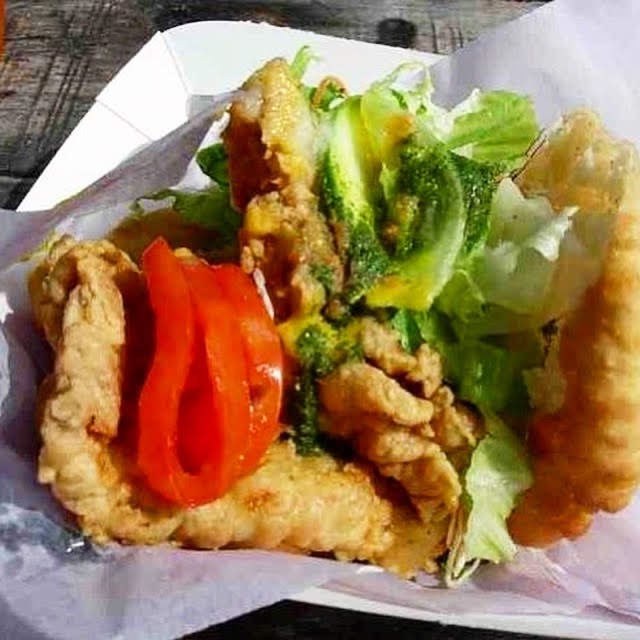
Our food has always responded to how we live.
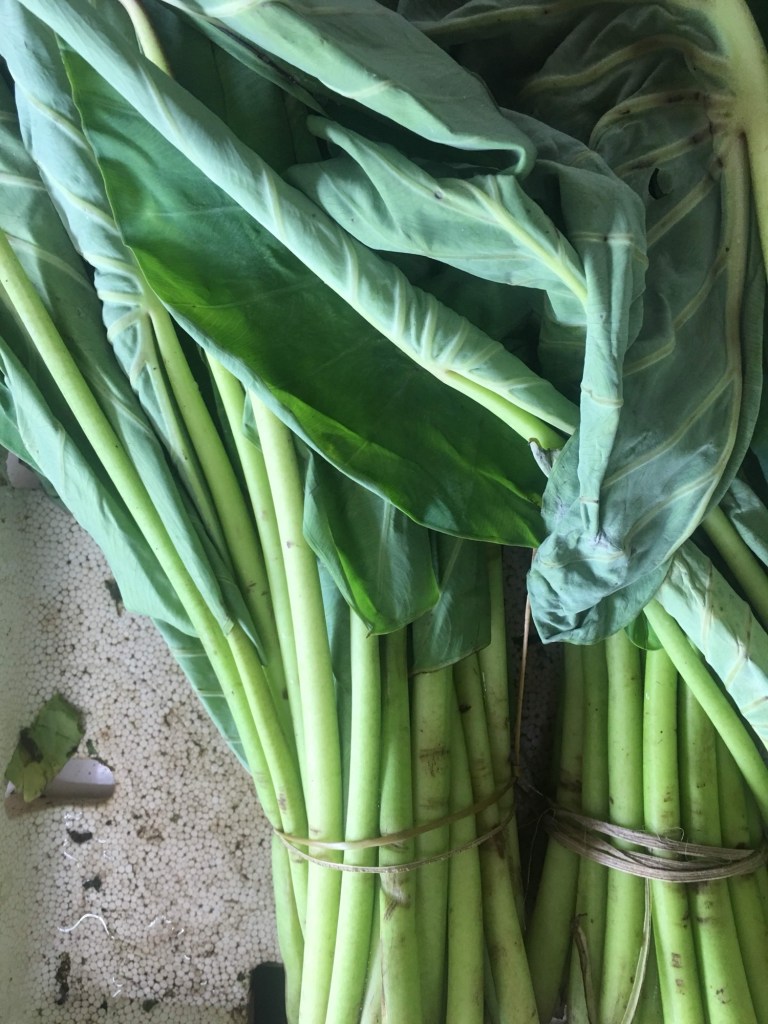
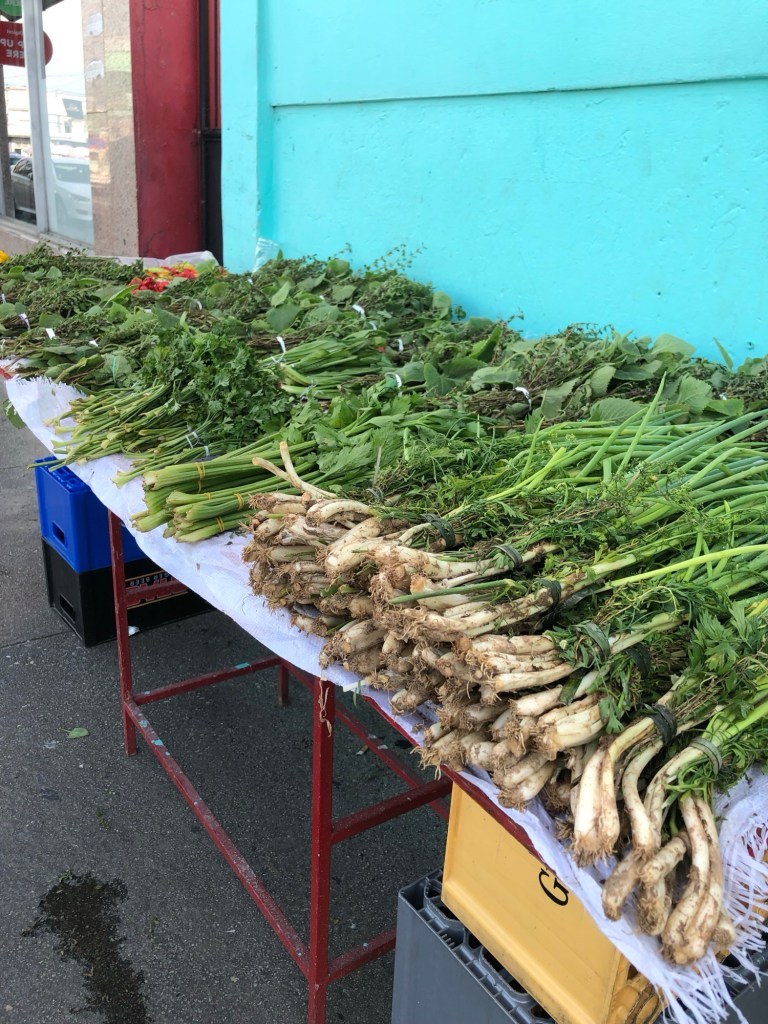
Callaloo is not just a dish. It is a blending of greens, techniques and traditions, a reflection of shared knowledge passed across cultures. Macaroni pie is not simply baked pasta. It is comfort, celebration and gathering. Our sponge cakes are light, familiar and unmistakably Trini, shaped by memory more than recipe books. Shadow beni runs through our food like a signature, grounding dishes with a flavour that instantly tells you where you are. And pepper sauce, bold and unapologetic, deserves an editorial of its own, because it reflects our personality as much as our palate.
Beyond the dishes themselves are the ingredients that make everything possible. Mangoes in endless varieties. Soursop, now celebrated globally but long understood locally. Barbadine, sapodilla, sugarcane. Fat pork prized not for trend, but for flavour. Herbs, roots and fruits that appear ordinary to us because they are part of daily life, yet are extraordinary in how they shape taste and tradition.
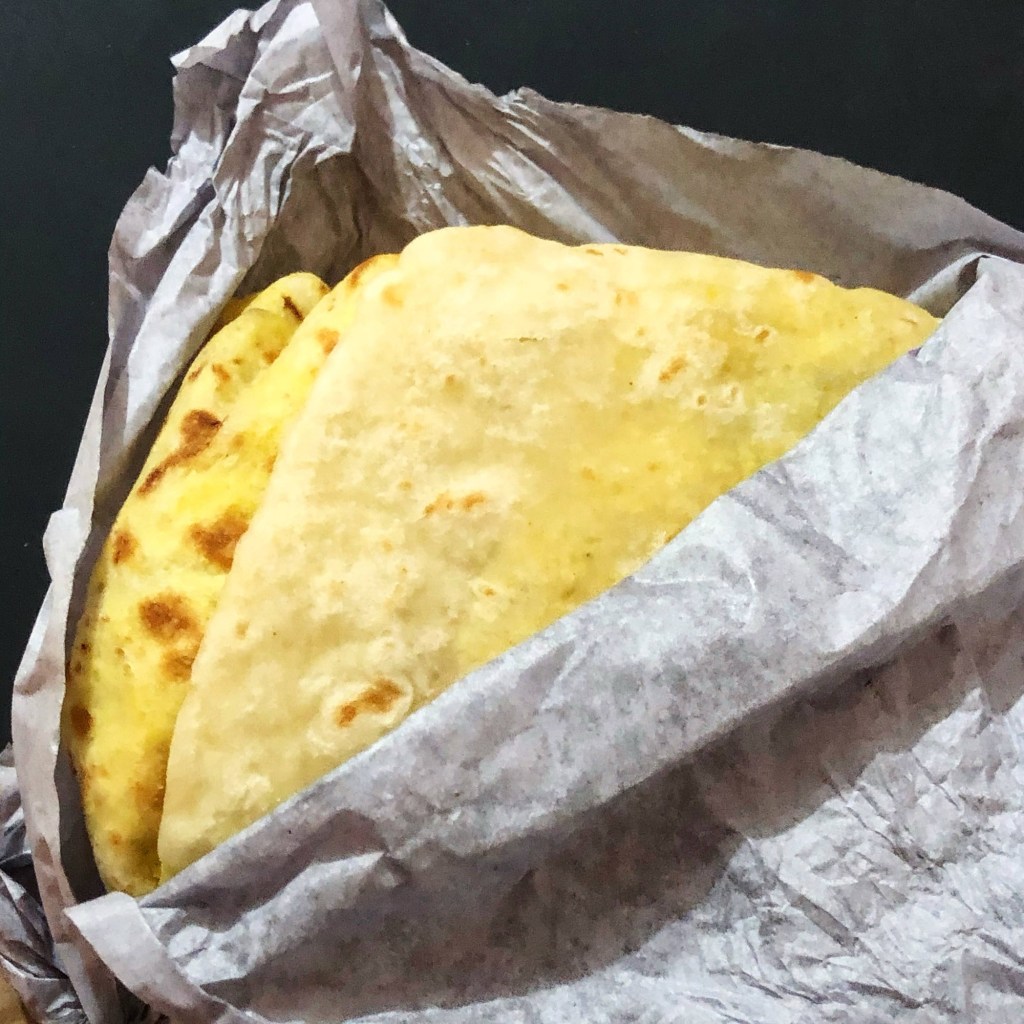
This is why The Food That Made Us is not about reviews or rankings. It is about asking deeper questions. Where does this food come from? Who carried it here? How did it change along the way? What stories sit behind the man selling callaloo at the market, the vendor wrapping roti for someone on their way to work, or the family seasoning a pot the same way it has been done for generations? From soil to plate, there is a journey behind every ingredient, every dish and every ritual.
This series is also personal. My own story lives at the intersection of cultures, shaped by a Chinese grandfather, a Welsh grandmother and a Trinidad and Tobago upbringing that taught me how food speaks without needing explanation. Meals were conversations. Traditions were preserved through taste. Love was expressed through effort and repetition.
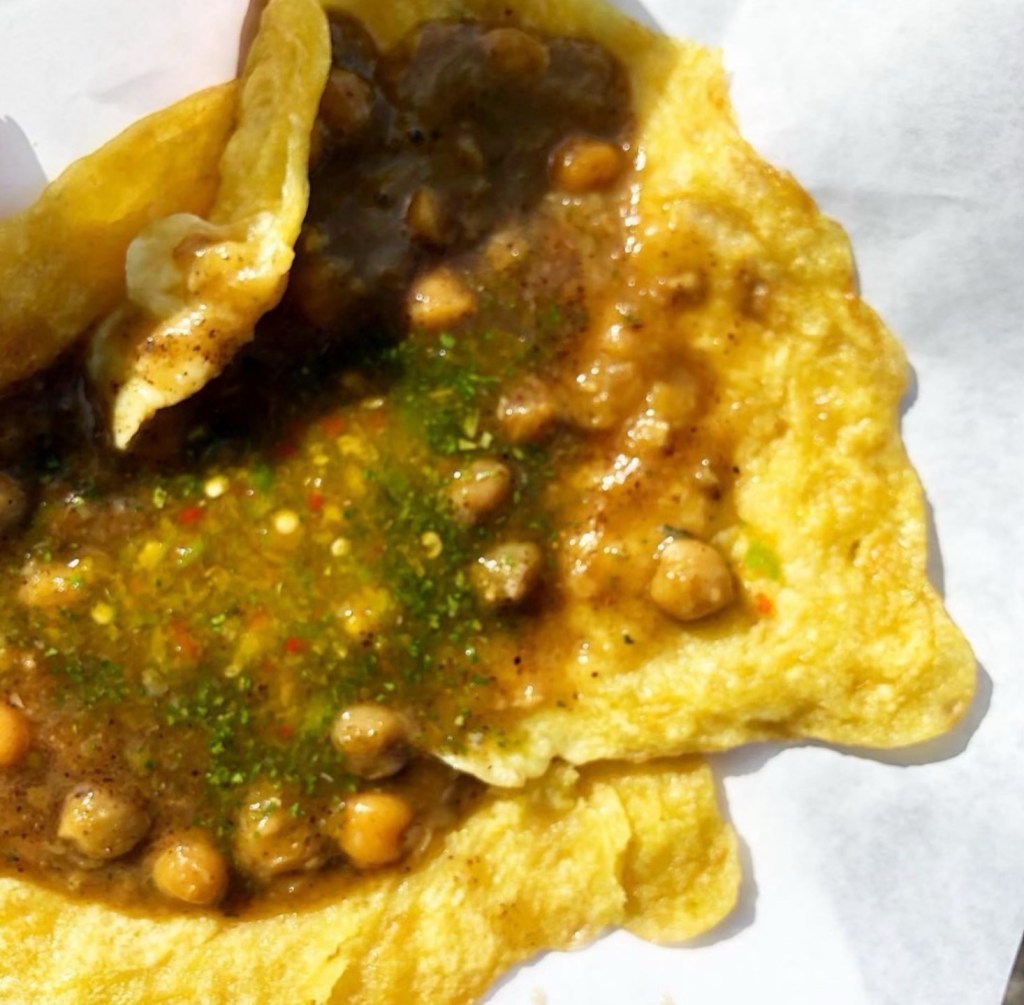
The Food That Made Us is my way of preserving those stories. Of paying tribute to the food of Trinidad and Tobago that makes us so unique. Of honouring the people who adapted before us, cooked before us and fed generations without knowing they were shaping history.
Because our food is not just delicious. It is evidence. Evidence of survival, blending and new beginnings forged from difficult pasts. And that is the story I want to tell.