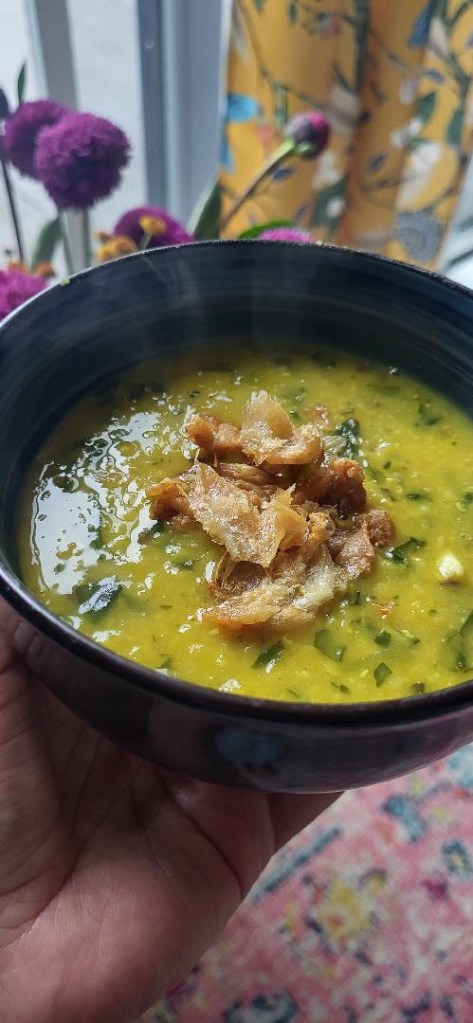
Stephanie Ramlogan writes with certainty. About culture. About memory. About the foods and rituals that shape who we are long before we have language for them.
Born in Trinidad and Tobago and now based in Brooklyn, she brings Caribbean life into global conversations without dilution or apology. Her writing does not ask for space. It occupies it. Across essays, cultural criticism and fiction, Stephanie documents the everyday brilliance of Caribbean identity, paying close attention to the details others overlook and refusing to let them be misrepresented.
What consistently stands out in her work is her awareness of what is missing. Stephanie has spoken openly about the lack of serious storytelling around food in Trinidad and Tobago, and that absence fuels much of what she writes. In a country where food is central to how we gather, celebrate and remember, our stories around it are often under-told, under-documented or reduced to surface-level descriptions. Stephanie doesn’t accept that gap. She writes directly into it.

Food, in her hands, becomes archive and legacy. In Saving Doubles: A Plea for Preservation, she challenges the careless way Trinidad’s most iconic street food is flattened and redefined. Doubles, she insists, is not a sandwich. It is ritual. Timing. Texture. Community. What she is really defending is cultural authorship, the right for Trinbagonians to define their own food stories rather than have them rewritten elsewhere. It is one of the reasons this piece lingered with me. Not just because of what she said but because of what it revealed about how much we still leave unsaid.
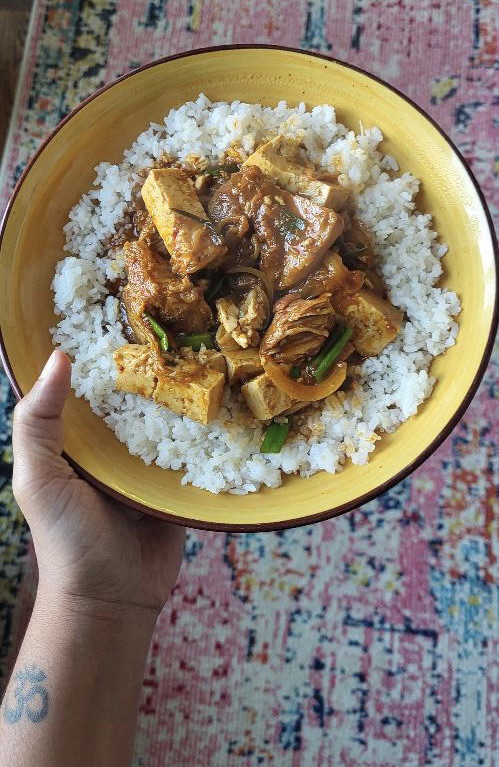
That same intention runs through her writing on peanut punch for Punch Drink. What could have been a simple exploration of a beverage becomes a thoughtful examination of regional variation, history and ingenuity. She traces how peanut punch shifts across the Caribbean, sometimes nourishing, sometimes celebratory, sometimes spiked, always meaningful. Through it, she quietly underscores how much cultural knowledge lives inside our everyday foods, and how rarely we pause to document it properly.
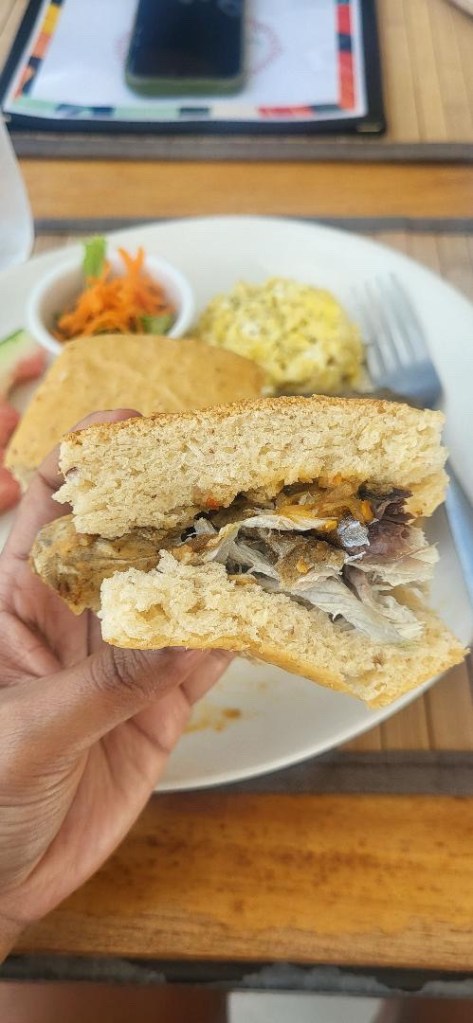
This is why Stephanie’s voice matters. She is not romanticising food. She is recording it. Preserving it. Asking better questions about who tells these stories and why they matter. In doing so, she is contributing to a body of work that ensures our food culture is treated with the seriousness and respect it deserves.
Her fiction extends this same sensibility. Drawing from Caribbean folklore and the uncanny, she weaves soucouyants, ghosts and quiet strangeness into contemporary life without spectacle. These are not stories written to explain Caribbean culture to outsiders. They assume depth, complexity and emotional intelligence. They trust the reader.
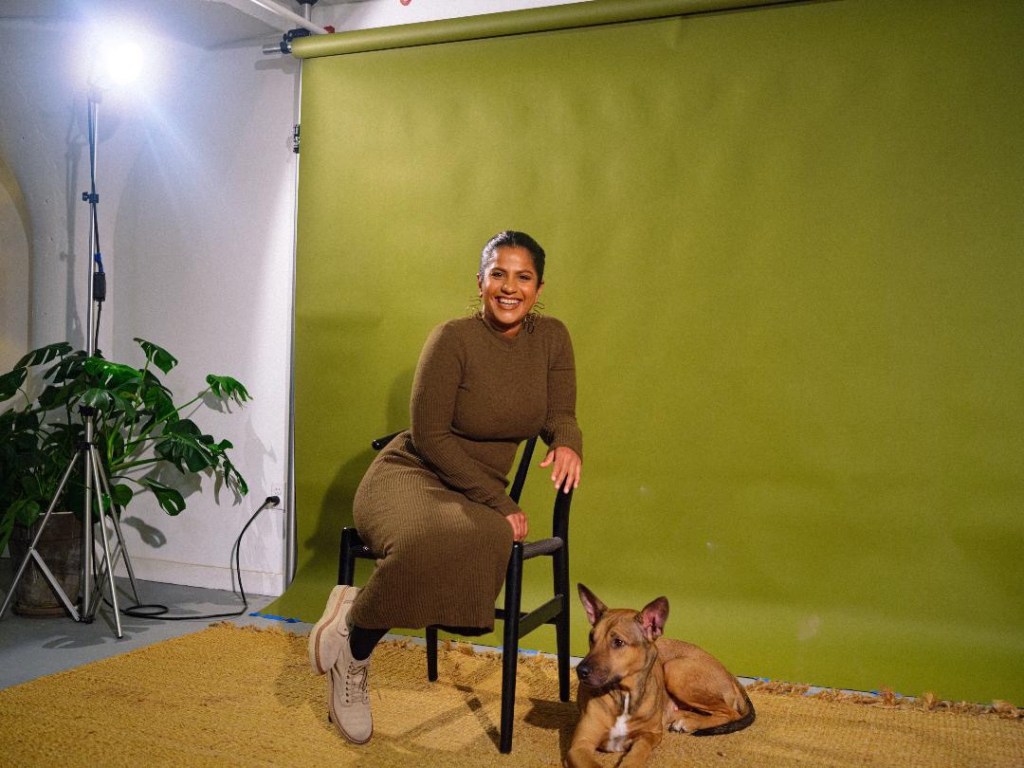
Her craft has been recognised internationally. She has received the Iowa Review Award for Fiction, Brooklyn Caribbean Literary Festival’s Elizabeth Nunez Caribbean-American Prize and was a finalist for the Island Voices Caribbean Contemporary Classics Short Story Prize. Her novel excerpt That Night at the Jubilee Hotel placed second in The First Pages Prize, pointing to a longer narrative vision still unfolding. These accolades affirm her skill, but they do not define her. The work does that on its own.
What ultimately drew me to feature Stephanie is her commitment to telling the stories we often overlook, especially around food. In a place where food is identity, memory and language, her insistence on documenting it thoughtfully feels necessary. She is doing the work of preservation in real time, ensuring that Trinbagonian food stories are told with accuracy, care and voice.
Today, as she teaches, balances essays, short fiction and a novel in progress, Stephanie Ramlogan continues to shape a body of work that feels grounded and expansive. Rooted in Trinidad and Tobago, informed by life abroad, and driven by a clear understanding of what is missing and what must be protected, her writing stands as both record and reminder.
Our stories deserve to be told properly. Stephanie is making sure they are.