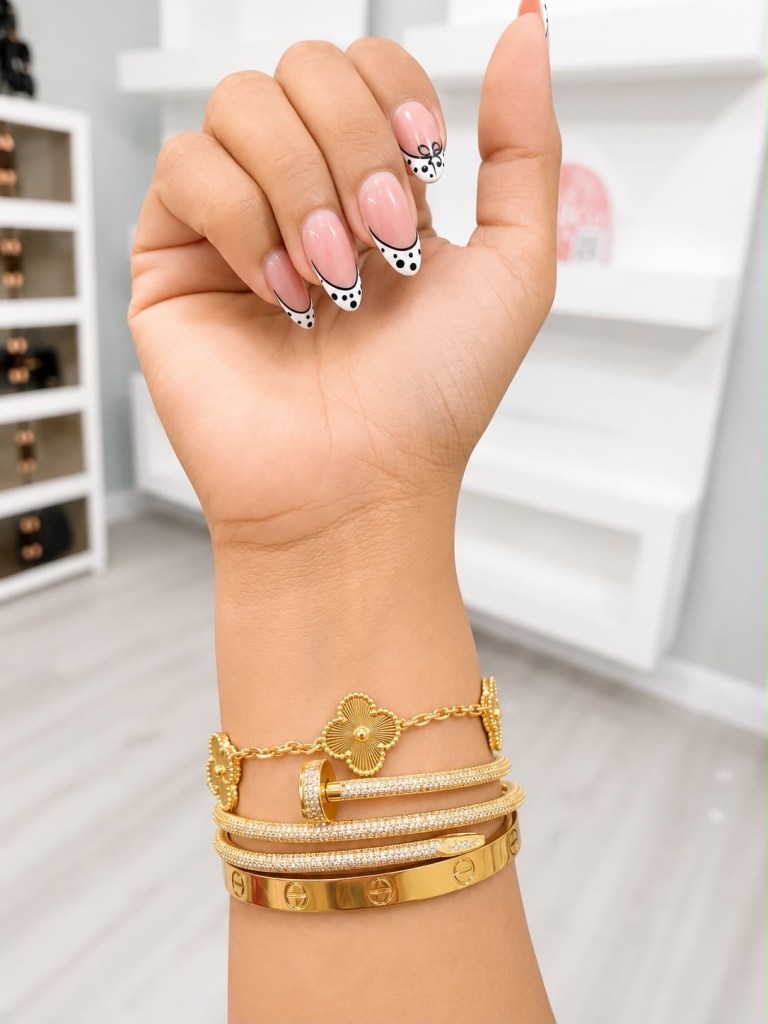
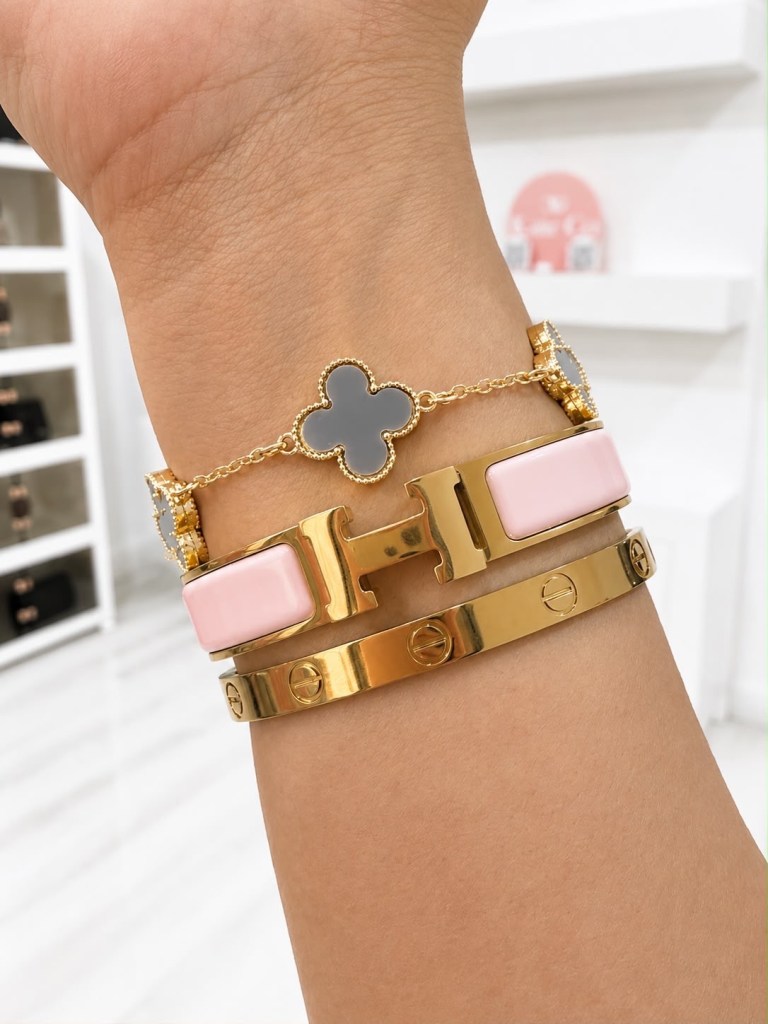
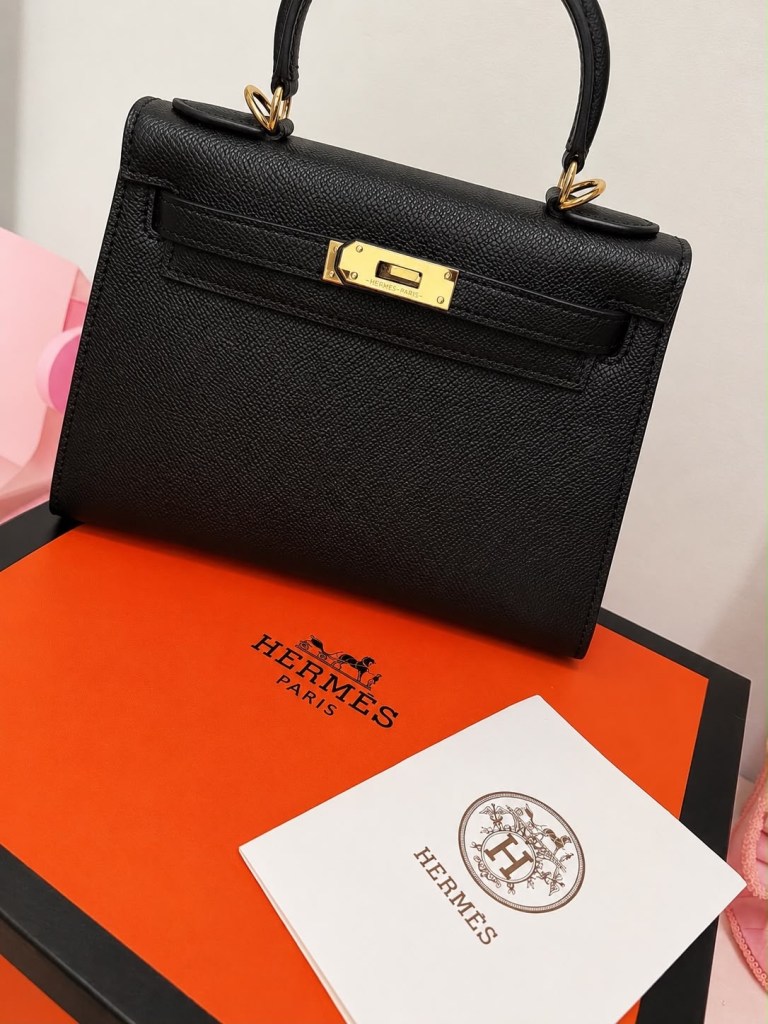
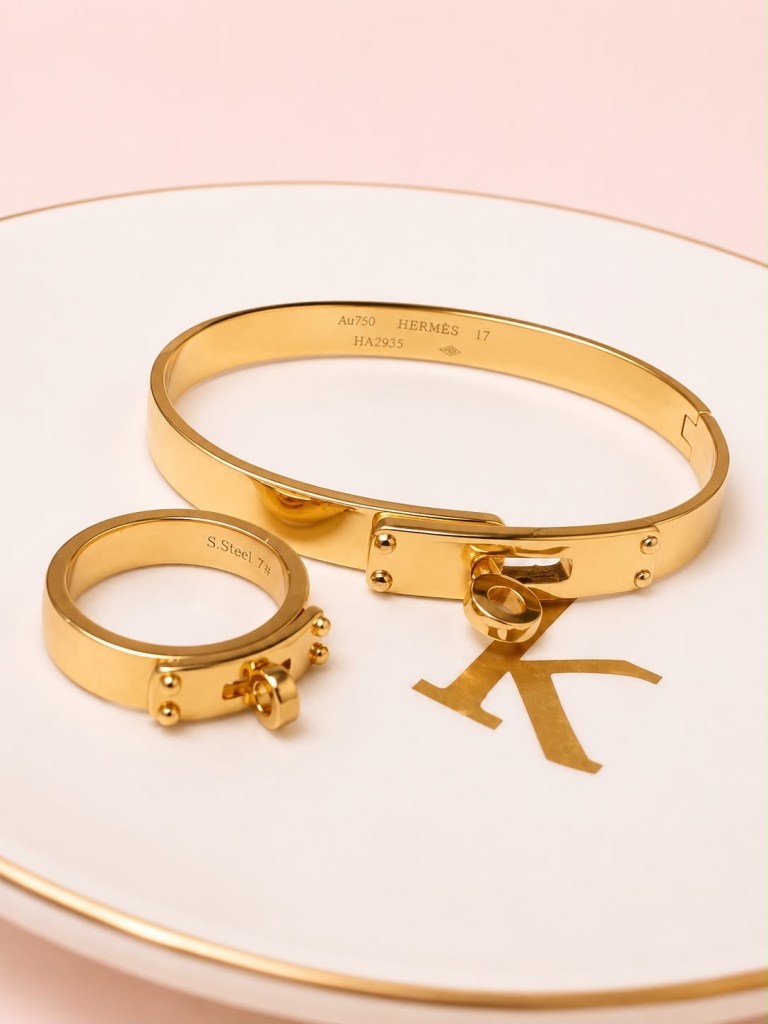
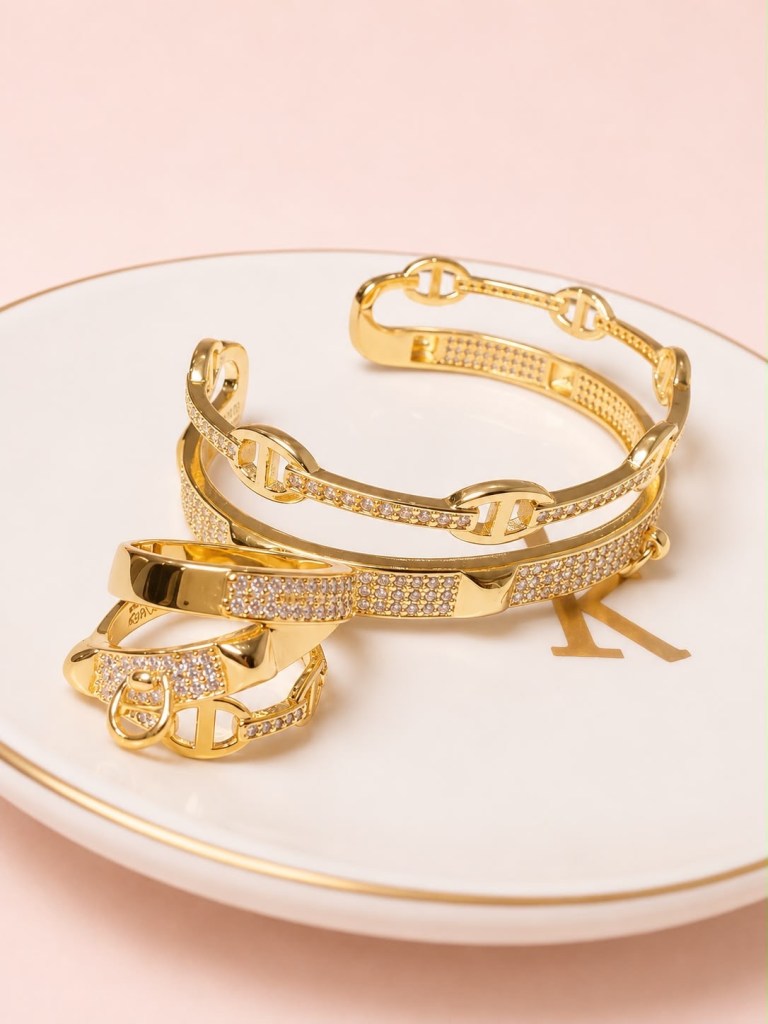
Felicia, your take on Kateco is fake news. Because before you dismiss an entrepreneur, call a business model “fake” or question why a market exists, it might help if you actually understood the market.
And the research is clear:
KateCo is not selling counterfeit products.
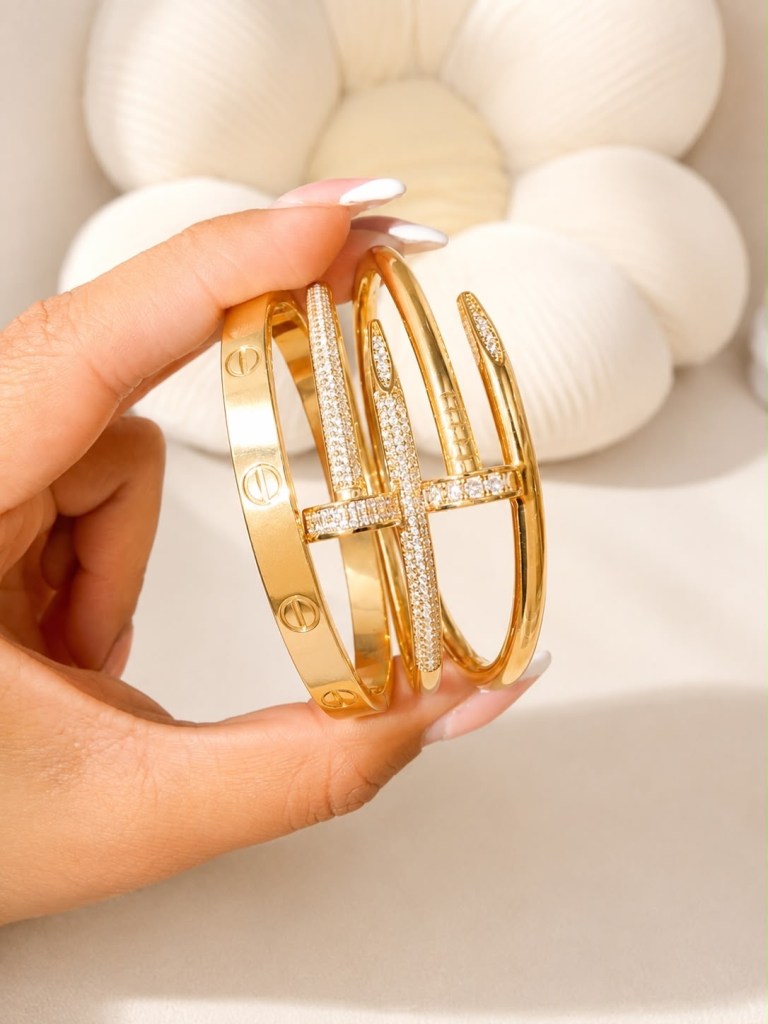
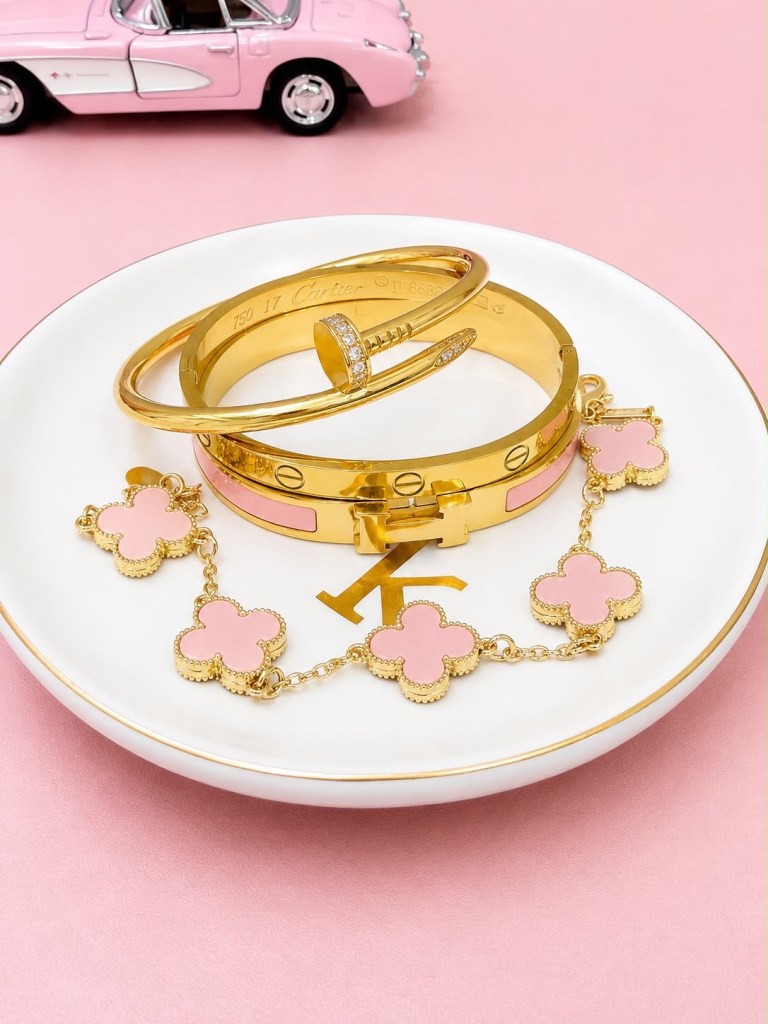
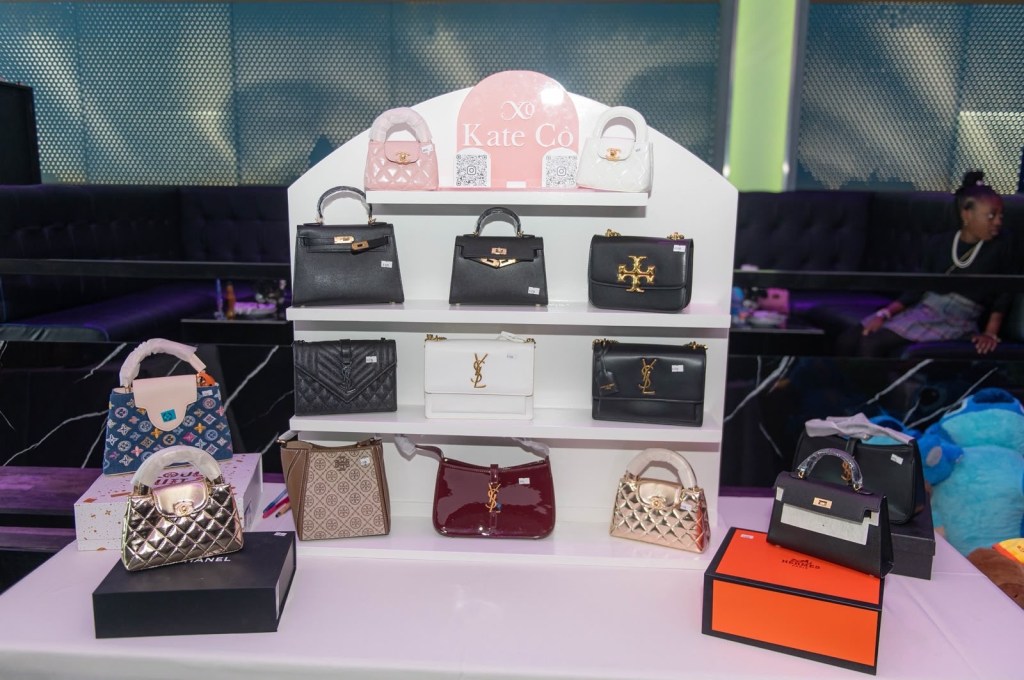
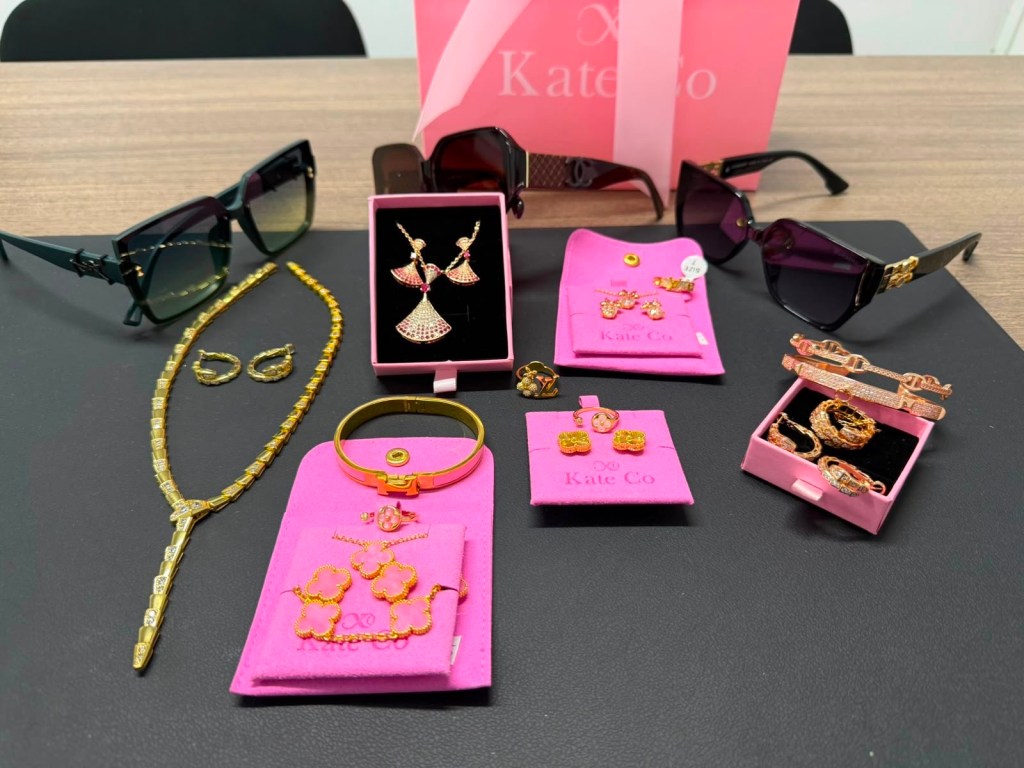
KateCo is participating in a global retail movement that has transformed the way consumers think about luxury, fashion and value: the rise of the dupe economy.
A counterfeit product is designed to deceive. It uses another brand’s trademarks, logos or identity to make consumers believe they are purchasing the original.
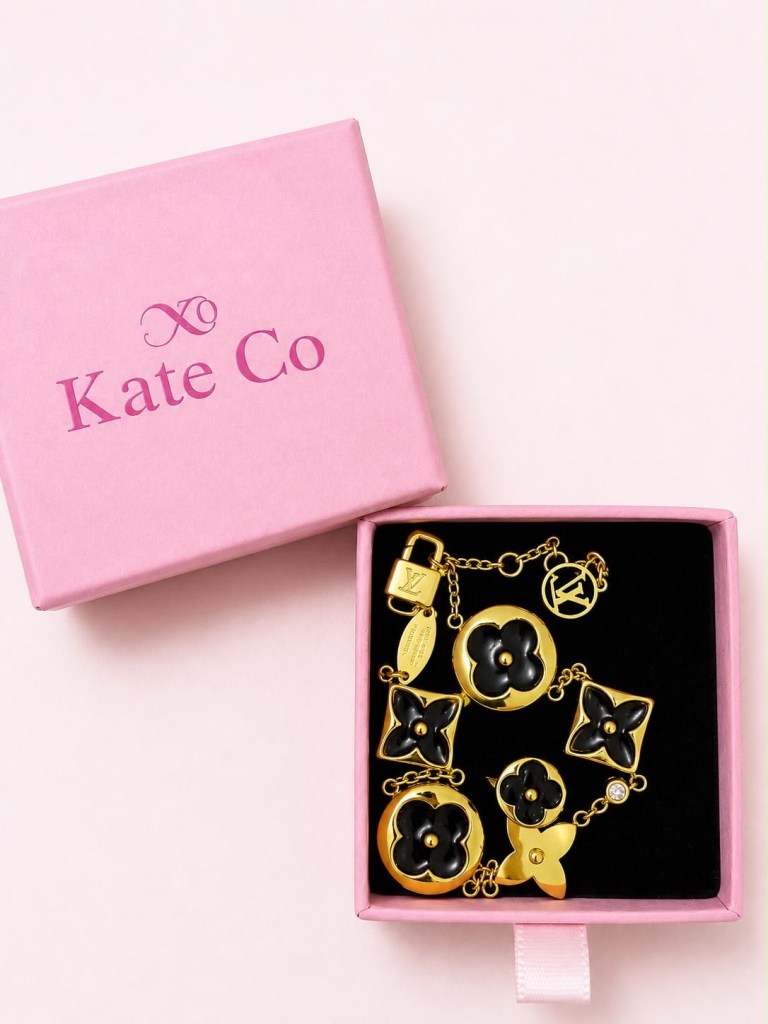
A dupe is different. A dupe is a product inspired by a style, aesthetic or trend that allows consumers to access a certain look or feeling without pretending it is the original brand.
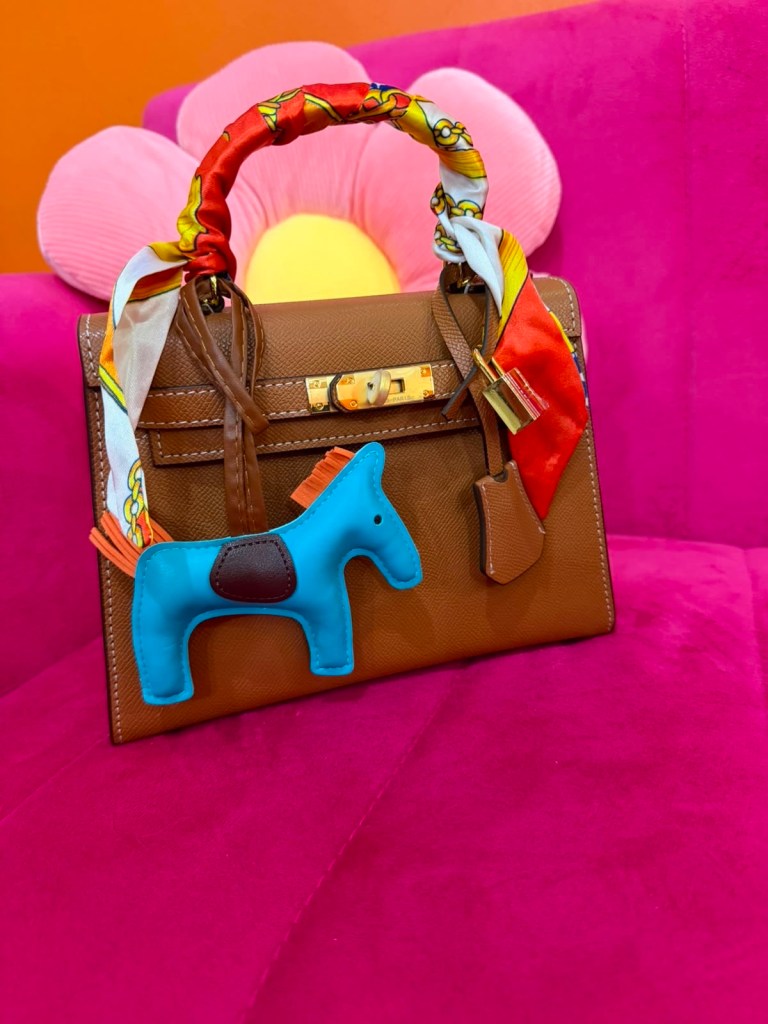
This distinction matters. Because the global fashion industry has already recognised that dupe culture is not a passing trend. It is a fundamental shift in consumer behaviour.
According to Vogue Business, dupe culture has exploded because consumers, particularly younger generations, are increasingly looking for affordable alternatives to premium and luxury products. The hashtag #dupe has generated billions of views on TikTok, creating a global community of consumers actively searching for “luxury for less.”
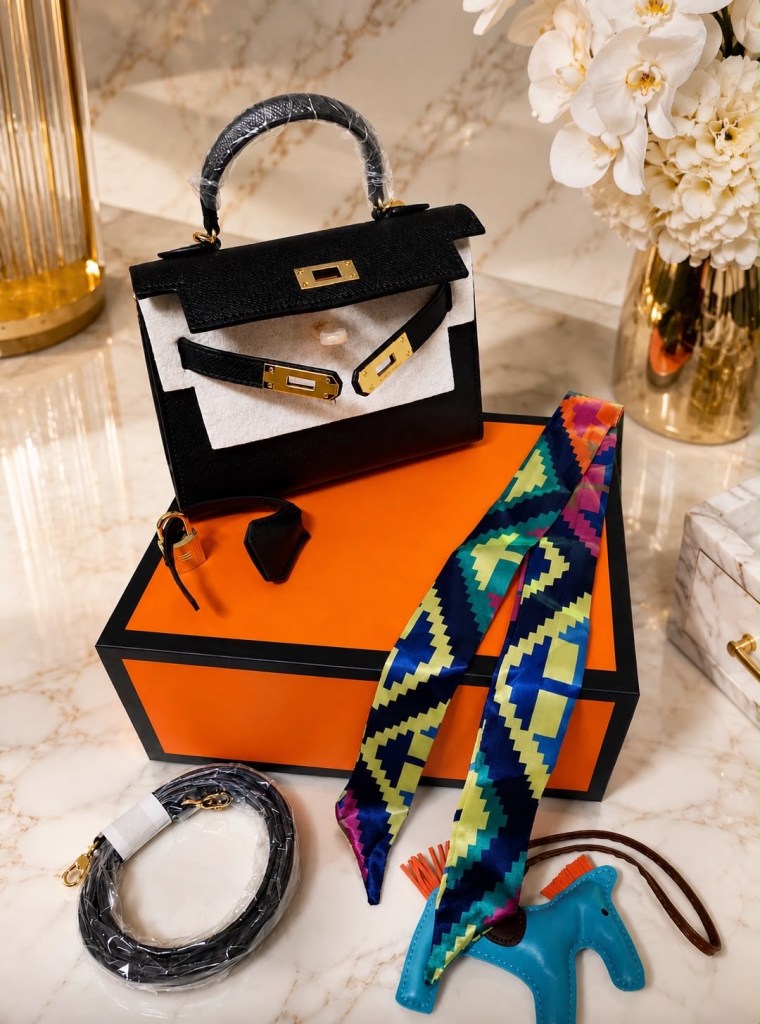
Vogue has even described dupes as a challenge luxury brands must understand, highlighting examples such as affordable alternatives to iconic products including Hermès-inspired bags and designer accessories. The conversation is no longer happening in small corners of the internet. It is happening at the highest levels of fashion and retail.
And this is not just about Gen Z wanting cheaper products. It is about a broader change in how people define value. For decades, luxury was built around one idea:
Exclusivity.
But today’s consumer is asking another question:
“Am I buying craftsmanship and quality, or am I simply paying for the name?”
That question has created opportunities for businesses around the world.
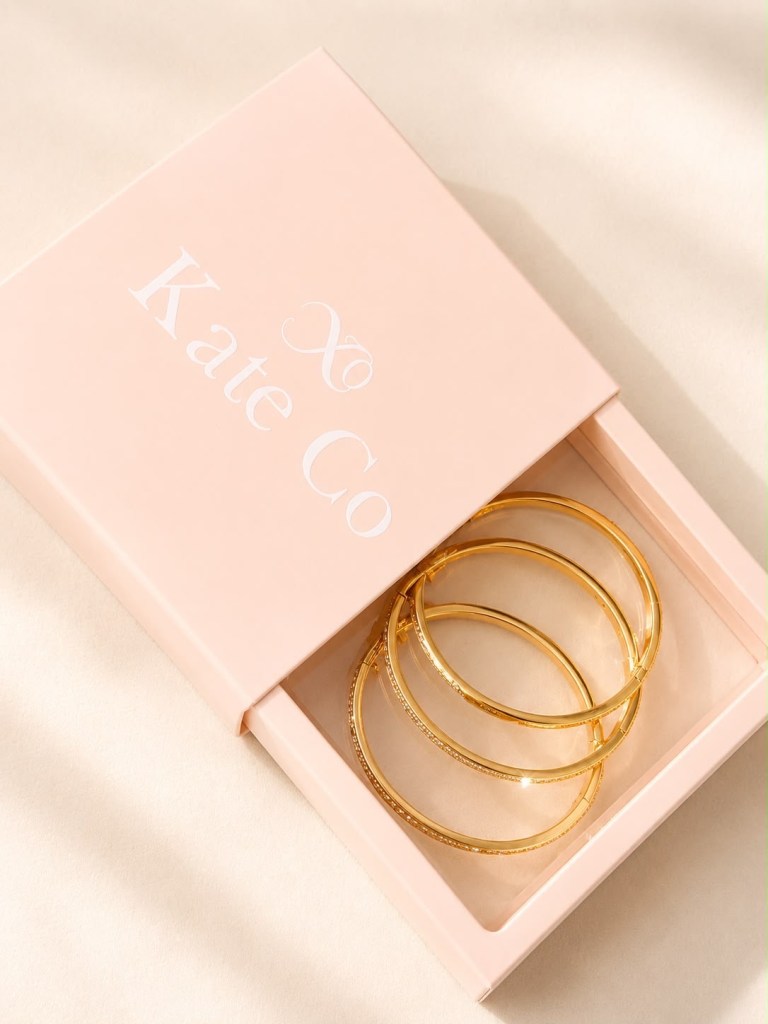
In New York, affordable luxury and designer-inspired fashion have become part of mainstream shopping culture.
In Singapore, where consumers are digitally connected and highly informed, brands have built businesses around accessibility, design and value.
In Dubai, a city synonymous with luxury, consumers still embrace brands that offer premium aesthetics at more accessible price points.
Because wanting beautiful things is universal. The difference is how people choose to access them.
Even major retailers have entered this space. Walmart’s viral “Wirkin” bag, an affordable alternative inspired by the Hermès Birkin silhouette, became an internet sensation and reportedly sold out after gaining attention online.
The market is telling us something: Consumers do not only want status.
They want choice. And that is exactly what KateCo recognised.
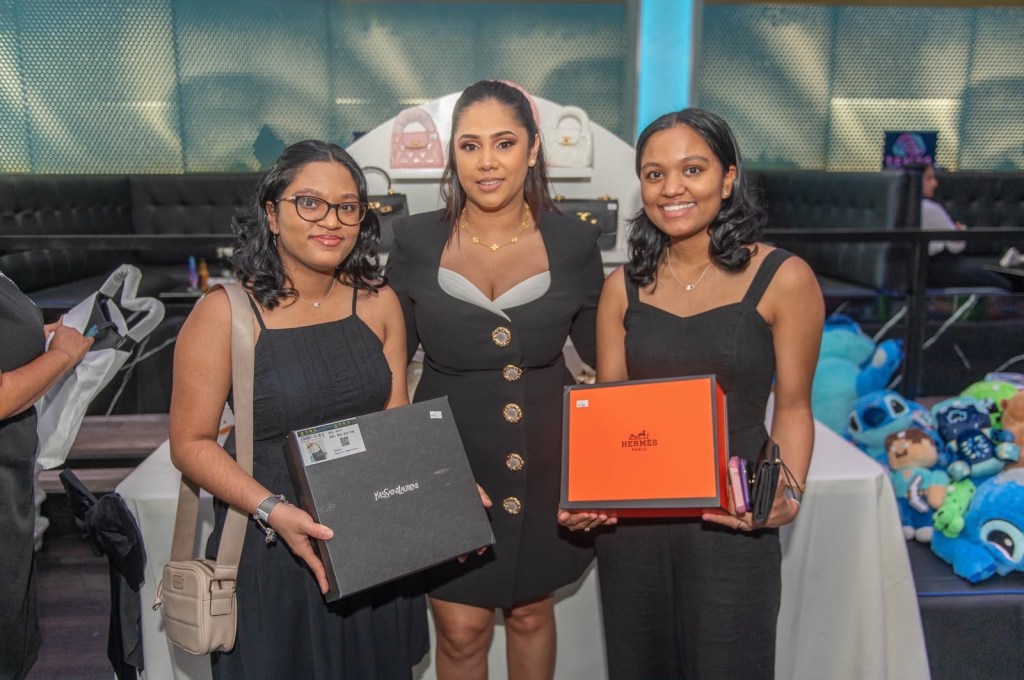
KateCo saw an opportunity in Trinidad and Tobago. She understood that local consumers also follow global trends. They also want pieces that make them feel elegant, confident and stylish. They also want access to beautiful jewellery without believing that beauty must come with an unreachable price tag.
That is not a lack of originality. That is entrepreneurship.
Innovation is not always inventing something nobody has ever seen before. Sometimes innovation is seeing a global movement and asking:
“Why shouldn’t Trinidad and Tobago have this too?”
That is how businesses are built.
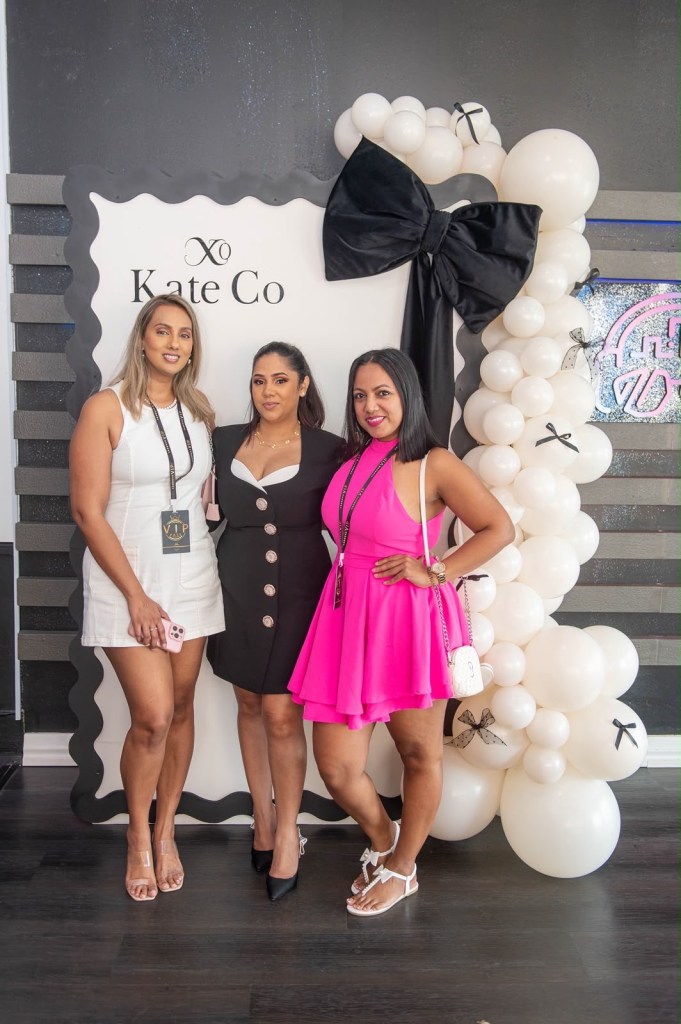
Too often, we celebrate ideas only after they arrive with a foreign postcode. When something comes from New York, London or Dubai, we call it innovation. When a Trinidadian entrepreneur brings a similar idea to our market, suddenly everyone becomes a business analyst in the comments section.
But the world has already done the research.
The dupe economy exists. The consumer demand exists. The opportunity exists. KateCo simply saw the gap and filled it.
So before criticising a local female entrepreneur for understanding a global market, maybe the better question is:
Why aren’t we celebrating more Trinidadians who are paying attention to the world and bringing those ideas home?
KateCo is not selling people a lie. She is selling accessibility. She is selling choice. She is selling a version of luxury that more people can participate in.
And for anyone still arguing without doing the research…
Bye Felicia.