
Inside Ana-Eli, the homegrown clinical skincare brand built by formulation chemist and medical aesthetician Jehana Mohammed
By Michelle A. Eng Leang
There are beauty brands born in boardrooms, shaped by trend reports, launch calendars and carefully manufactured founder stories. Then there are brands like Ana-Eli, built slowly through lived experience, years of study and the quiet accumulation of trust.
For Jehana Mohammed, the founder of Ana-Eli and The DermLab Cosmetic Lab and Medical Aesthetics Clinic, skincare was personal long before it became professional.
As a teenager, she struggled with acne. Professional treatments and regular dermatological care were not always financially realistic for her family, an experience that stayed with her long after her own skin began to change.

“I remember thinking that if I ever had the opportunity, I wanted to help people who found themselves in the same position,” she says. “I wanted to provide professional skincare that was both effective and accessible.”
It is a simple thought, but it would eventually shape a career spanning more than 15 years, a medical aesthetics clinic, a cosmetic manufacturing laboratory and a locally made clinical skincare range created specifically with Caribbean people in mind.
Ana-Eli is not the result of a sudden pivot into beauty or an entrepreneur spotting a profitable category. It is the culmination of Jehana’s journey through three very different but deeply connected worlds: the experience of struggling with her own skin, the practice of treating clients as a medical aesthetician and the science of formulating skincare from the ground up.
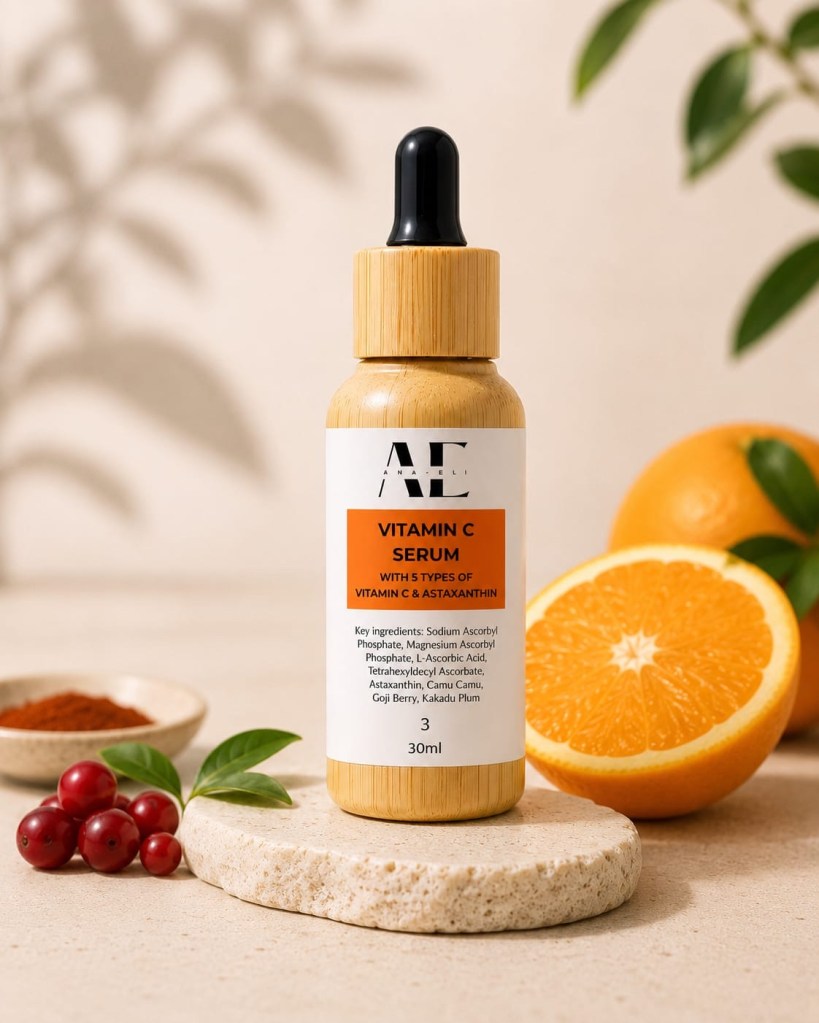
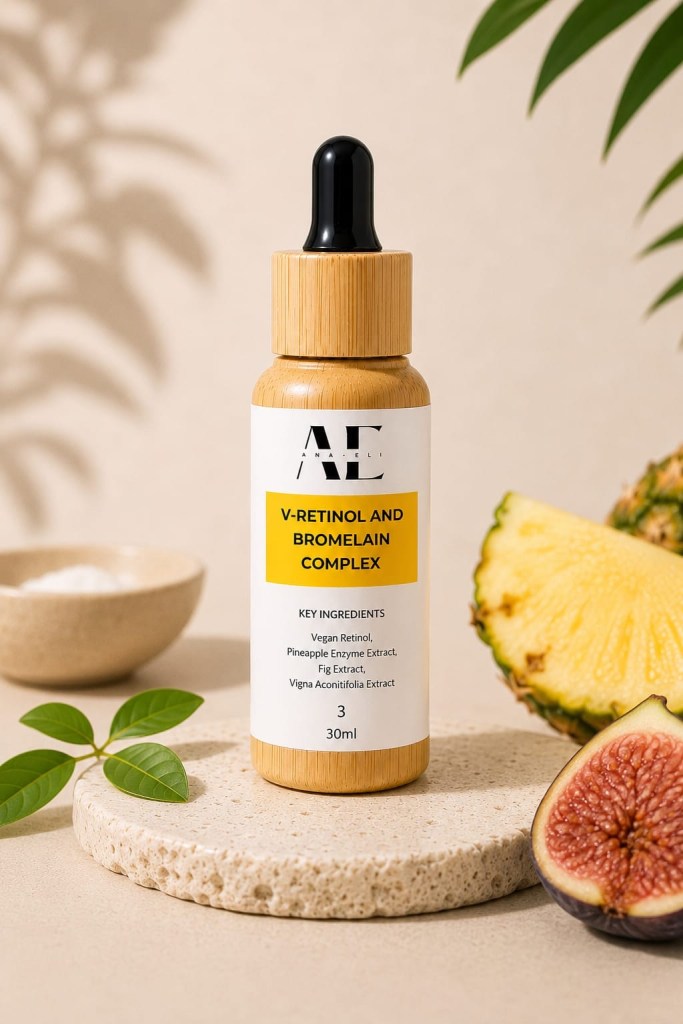
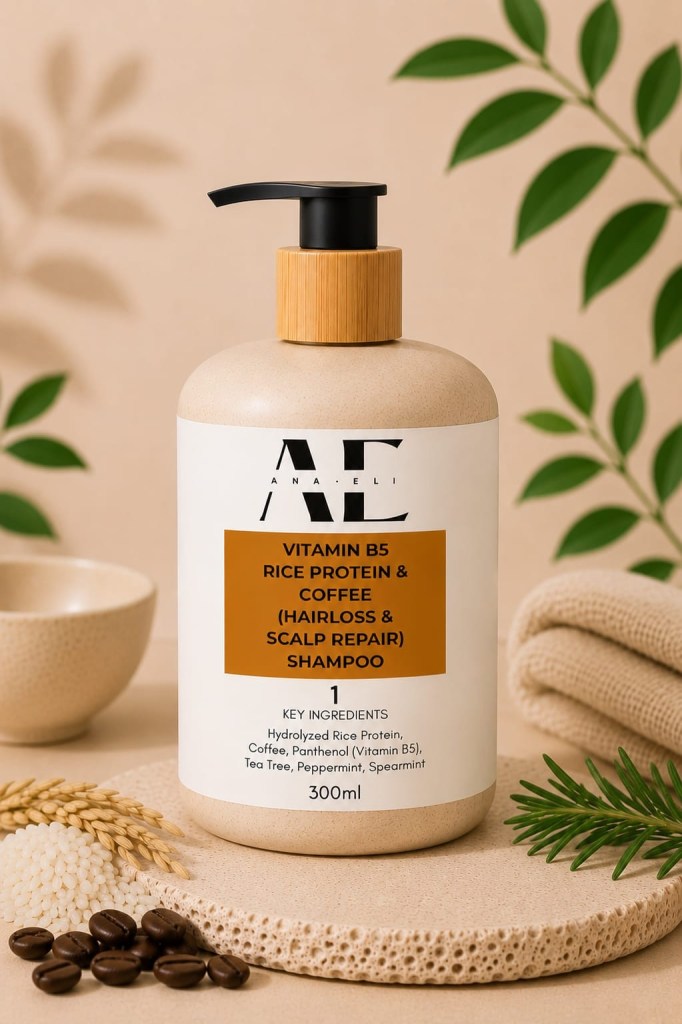
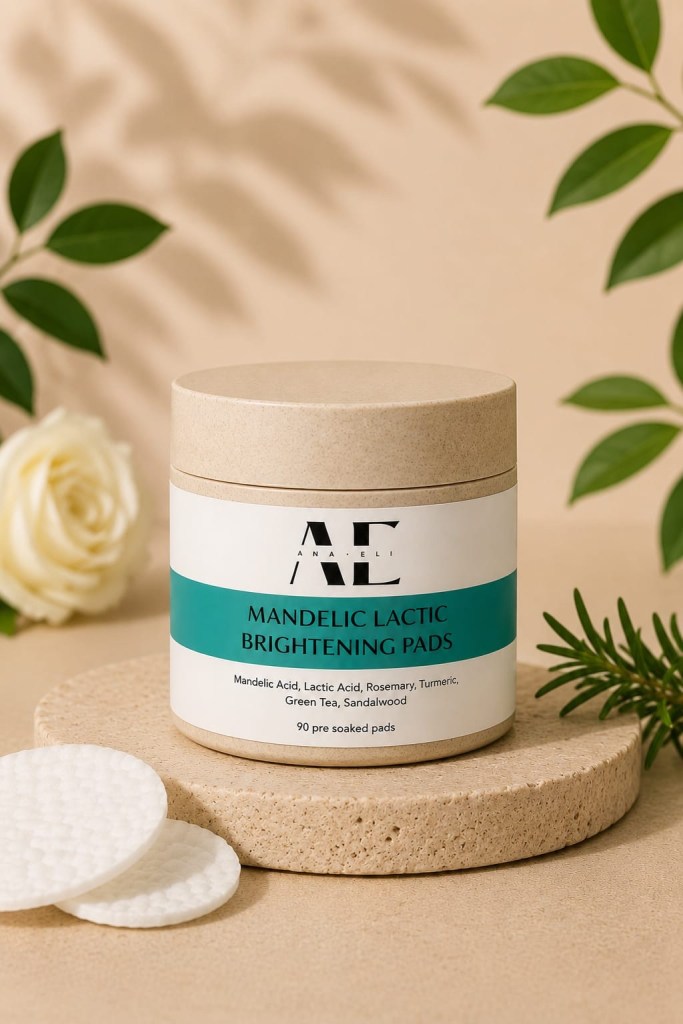
Today, every Ana-Eli product is developed and manufactured in-house at The DermLab. Jehana combines her years of experience working directly with clients with her background in chemistry to formulate products designed to address concerns including acne, pigmentation, ageing, dehydration, sensitive skin, eczema, dandruff, scalp conditions and hair loss.
Her goal is ambitious but clear: to create high-performance, clinical skincare that can stand alongside leading international brands while remaining gentle enough for sensitive skin, relevant to the Caribbean climate and accessible enough for customers to use consistently.
For Jehana, accessibility is not a compromise. It is part of whether skincare can work at all.
Over the years, she watched clients invest in premium imported products that delivered promising results at first, only to plateau, become too expensive to maintain or prove unsuitable for the climate and the diverse range of skin she encountered in her treatment room.
The problem was not simply whether a product worked. It was whether people could continue using it long enough to see meaningful, sustained results.
“I knew there had to be a better way,” she says.
A Name She Once Wished Were Different
The name Ana-Eli is drawn from Jehana’s own. “Ana” comes from the second half of Jehana, while “Eli” comes from the beginning of her middle name, Elissa. The choice was not immediately obvious.
Growing up, Jehana did not always appreciate her name. Its spelling meant that it was frequently mispronounced and, for years, she wished it were something simpler. When the time came to name her skincare brand, she searched for something distinct, something that might capture everything she wanted the company to become. Eventually, she realised that the brand was already an extension of her.
It carried her experience, her education, her values and the years of work that few people had seen. Instead of choosing a name designed to sound clinical or international, she returned to the name she had once wished were easier.
“In many ways, Ana-Eli represents that acceptance,” she explains. “It reflects the person behind every formulation and every decision that goes into the brand.”
There is something fitting about that evolution. A name that once made her feel different became the name she chose to place on her life’s work. Today, she hopes Ana-Eli will become synonymous with trust: skincare rooted in science, created with integrity and designed to deliver real results for Caribbean skin.
The Practical Path and the One She Really Wanted
Jehana did not begin her education in aesthetics. She began with a Bachelor’s degree in Business, the kind of practical path that made sense at the time. Studying aesthetics abroad was financially unrealistic and a career in skincare did not appear easily accessible. Then, during the final semester of her Business degree, Pivot Point International brought its Aesthetics programme to Trinidad and Tobago. The timing felt almost fated.
“My mum looked at me and simply said, ‘This is for you. This is what you’ve always wanted.’”
Jehana was so eager to begin that she nearly left her Business degree unfinished. She completed it, graduating with First Class Honours, before enrolling in the Aesthetics programme.
Once there, she found the field she had been searching for.
“I fell in love with it,” she says.
She graduated at the top of her class. During one of her chemistry lectures, a thought arrived with unusual clarity.
“One day I’m going to manufacture my own skincare line.”
It would take years for that promise to become a product.
First came the clinic. Jehana opened her business in a single room, with her reception and treatment area occupying the same modest space. She built her clientele one person at a time, reinvesting what she earned, renovating, expanding and allowing the business to grow at the pace trust demanded.
One of her long-standing clients later walked into the renovated clinic, hugged her and began to cry.
“She said, ‘Jehana, I’ve always looked at you like my daughter. I’m so proud of what you’ve built.’”
For Jehana, moments like that matter because they reveal what growth actually looks like. It is not always a dramatic launch or a viral announcement. Sometimes it is a client who remembers where you began and recognises how far you have travelled.
Fifteen Years of Looking Closely at Skin
Over the next decade, Jehana treated clients as a medical aesthetician and massage therapist, developing a deep understanding of the concerns that repeatedly brought people through her doors.
Acne. Pigmentation. Sensitivity. Dehydration. Ageing. Eczema. Scalp conditions. Hair loss. The issues were different, but the frustrations often sounded familiar.
People were overwhelmed by products. They were influenced by trends. They had purchased expensive routines that were difficult to maintain. Some had tried products that worked temporarily before their results levelled off. Others had skin that became increasingly irritated by formulations never created with their particular needs or environment in mind.
The treatment room became a kind of living research space.
Every client brought a different history, lifestyle and relationship with their skin. Every consultation gave Jehana more information. Every result sharpened her understanding of what products needed to do and, just as importantly, what they should not do. This is one of Ana-Eli’s most important distinctions. The brand was not created from an abstract idea of a Caribbean consumer. It grew out of years spent treating real Caribbean clients in a Caribbean climate.
The region does not have one uniform skin type. Its people reflect a vast diversity of complexions, sensitivities, genetic backgrounds and concerns. Ana-Eli’s relevance lies in that closeness: the ability to listen directly to the people the products are intended to serve.
At markets and pop-up events, Jehana continues that process. She does not see these spaces simply as opportunities to sell.
“What I enjoy most isn’t simply selling products, it’s meeting people,” she says.
She often offers complimentary skincare consultations, asking customers about their concerns, routines and lifestyles before recommending products. Those conversations do not end at the market table. They follow her back into the laboratory.
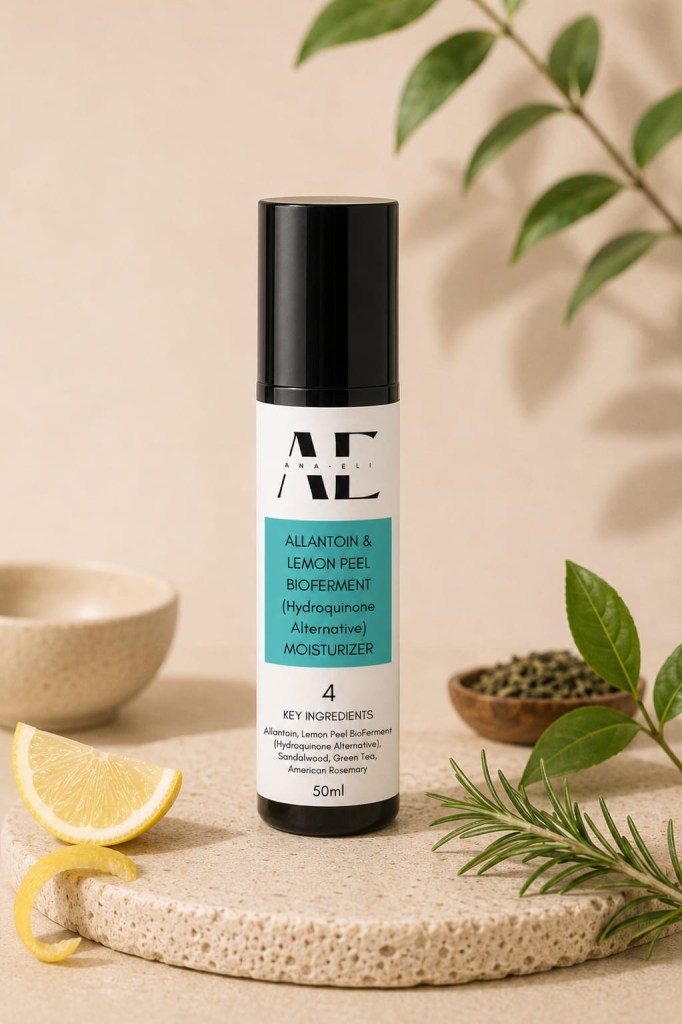
“As a formulation chemist, I’m able to return to the lab to research ingredients to assist in whatever need arises through our conversations.”
It is a continuous exchange between practitioner, customer and formulator. The clinic helps her understand the problem. The laboratory allows her to build the response.
The Pause That Changed Everything
For years, the idea of developing her own skincare line remained present but unfinished. Jehana was running her clinic, growing her clientele and, for part of that time, working in the insurance industry to provide the financial stability needed to continue investing in the business.
Then COVID-19 arrived.
Like many professionals in the beauty and wellness industry, she was forced to close the clinic temporarily. What could easily have become lost time instead became the turning point that returned her to the promise she had made in that chemistry classroom years before. She went back to school to study chemistry. The decision was deliberate. Jehana did not want to purchase existing formulas and place her label on them. She wanted to understand formulation at a fundamental level and develop products herself.
“I decided to fulfil the promise I had made to myself years earlier,” she says. “I went back to school to study chemistry so I could learn to formulate products from the ground up rather than simply putting my label on someone else’s formulations.”
That choice reveals the character of both the founder and the brand. A faster route existed. She refused it.
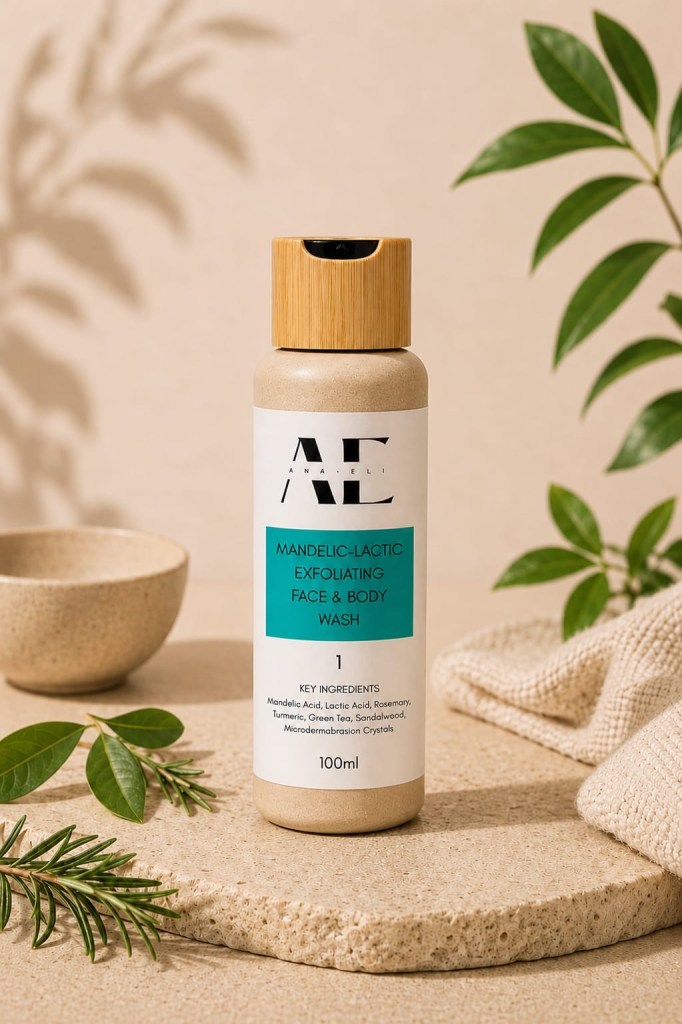
Creating skincare responsibly, she explains, is not a matter of casually mixing ingredients until something looks appealing in a bottle. It requires knowledge of chemistry, ingredient interactions, safety, stability, efficacy, manufacturing practices and the biology of skin.
Every Ana-Eli formulation is supported by documented processes, raw material data, efficacy information and, where applicable, in vitro testing. The company is also actively working through the relevant regulatory pathways and certifications as it grows. The emphasis is not on launching quickly. It is on building correctly.
“For me, building Ana-Eli has always been about doing things properly, not quickly.”
Clinical Skincare, Made Here
Ana-Eli was created to challenge a persistent assumption: that professional clinical skincare must be imported to be exceptional.
Jehana’s vision is not to ask consumers to support the brand merely because it is local. Local origin alone is not the standard. Performance is. Her aim is to create products that can compete with leading clinical skincare ranges while responding more thoughtfully to the realities of Caribbean consumers.
The formulations are developed with evidence-based ingredients and a focus on long-term skin health rather than beauty trends. They are designed to be highly effective but sufficiently gentle for sensitive skin, cruelty-free, environmentally conscious and affordable enough to become part of a consistent routine.
This balance matters.
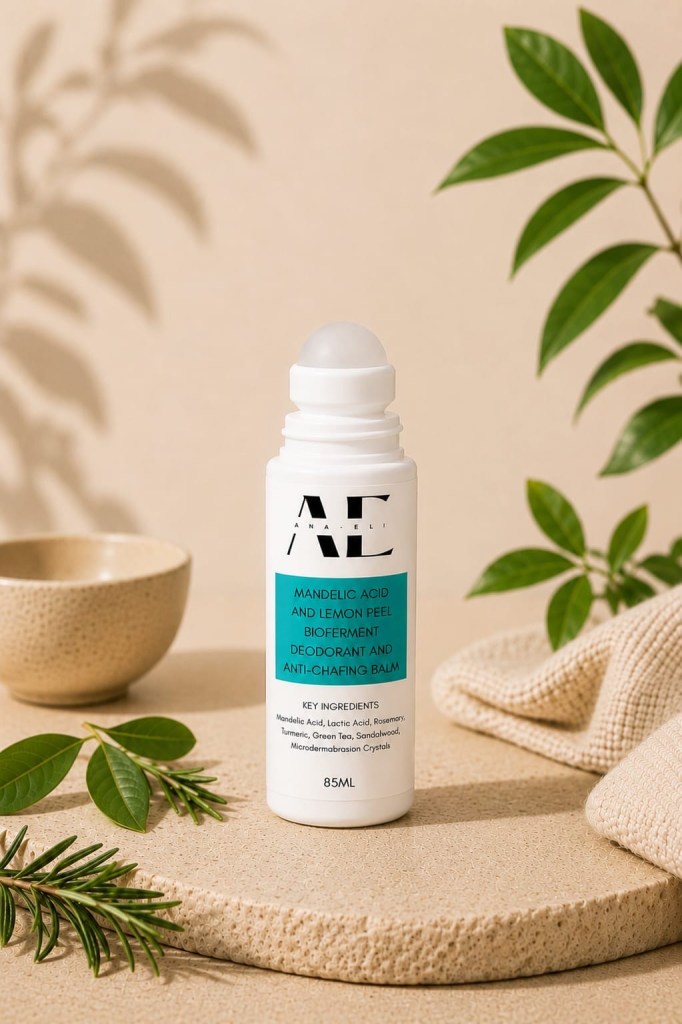
Clinical skincare is often associated with harshness, complexity or premium price points. Ana-Eli’s proposition is that efficacy, gentleness and accessibility do not have to exist in opposition. The teenager dealing with acne should not have to believe that professional-quality care is beyond reach. The person with sensitive skin should not have to choose between irritation and inaction. The customer investing in their skin should not have to abandon a routine because the cost is impossible to sustain.
“Ana-Eli isn’t just for people with unlimited skincare budgets,” Jehana says. “It’s for the teenager struggling with acne, the professional rebuilding their confidence, the person with sensitive skin who has tried everything else and anyone who deserves effective skincare without feeling that quality is beyond their reach.”
The brand’s affordability is therefore not a marketing device. It is linked to Jehana’s understanding of how skincare works over time. A product cannot deliver long-term results if the person using it cannot realistically afford to replace it.
The Qualifications Behind the Formulas
Jehana’s academic and professional path is extensive.
She graduated with First Class Honours in Business and finished at the top of her Aesthetics class. She became Trinidad and Tobago’s first Dermalogica Expert and completed Advanced Paramedical Aesthetics training under Dr James Fulton through Vivant University. She later completed her chemistry studies and qualified as a formulation chemist through the Institute of Personal Care Science so that she could develop personal care formulations from the ground up.
She has opened and expanded her medical aesthetics clinic, launched Ana-Eli, developed The DermLab into a cosmetic manufacturing laboratory and begun producing products for other brands through contract manufacturing.
Her work has also been featured on CNC3 and Ana-Eli continues to expand through retail partnerships across Trinidad and Tobago.
Yet Jehana is careful not to treat qualifications as a substitute for trust.
One of the earliest lessons of her career came when clients questioned her expertise because she looked young.
“When I first opened my clinic, I genuinely believed that people would immediately trust my knowledge and training because I had worked so hard to qualify,” she says. “Instead, I often heard comments like, ‘You look so young. Are you sure you know what you’re doing?’”
The remarks were discouraging. She had invested years in her education and entered the profession with a sincere desire to help people. Over time, however, she came to understand that knowledge had to be demonstrated consistently.
“Qualifications alone don’t earn trust. Consistency does.”
Trust, she learned, is built one client, one treatment and one result at a time. The irony is that the comments about her youthful appearance have never entirely disappeared. At a recent SME networking event, after Jehana shared that she had been in business for 15 years, someone joked that she looked as though she could be 15 herself.
When she revealed that she was 38, another attendee replied, “Well, Ana-Eli clearly works.”
When Skin Changes More Than Appearance
For Jehana, the most meaningful milestones are not limited to awards, qualifications, media appearances or business growth. They are found in the people whose lives have changed through her work. She remembers one client who arrived with severe inflammatory acne. The condition had affected more than her skin. She lacked confidence and struggled to make eye contact with others. After following a treatment plan using Ana-Eli products, her skin improved. More importantly, so did the way she carried herself.
“Her skin transformed, but more importantly, so did her confidence,” Jehana says. “Moments like that remind me that skincare isn’t just about appearance. It can genuinely change how someone feels about themselves.”
It is an important distinction in an industry that can easily become superficial. Ana-Eli does not promise perfection. Its purpose is not to create anxiety about flaws or convince customers that their faces are problems requiring endless correction. The brand is rooted in skin health, knowledge and the belief that people deserve to feel comfortable and confident in their own skin.
Jehana’s own experience with acne allows her to understand the emotional weight of visible skin concerns. Her years in treatment rooms have shown her how easily those concerns can affect confidence, eye contact, photographs, social interaction and the small daily decisions people make about how visible they are willing to be.
The science is essential. So is the compassion.
The Work No One Sees
Ana-Eli is now Jehana’s full-time career, but her days are divided across several roles.
She treats clients at the clinic as a medical aesthetician and massage therapist. She works in the laboratory as a formulation chemist, developing and manufacturing Ana-Eli products. She also manages the less glamorous realities of entrepreneurship: accounting, taxes, inventory, supplier relationships, retailer visits, administration and content creation.
For several years, she balanced the business with part-time work in insurance. The job provided stability while she continued investing in the clinic and brand until they could support her fully.
The cost was time.
There were periods when Jehana worked more than 100 hours each week. She missed family time, weekends and opportunities to rest. Much of what she earned went back into the business rather than into her own pocket.
“I still remember my young nephew asking me, ‘Auntie, are you still studying? Are you still working? When are you going to finish so you can play with me?’”
The question was innocent, but it captured the invisible strain of building something over years.
Entrepreneurship is often presented through moments of arrival: the new location, the launch photographs, the media interview or the shelf stocked with finished products. The years of anxiety, uncertainty, study and sacrifice rarely photograph as beautifully.
Jehana now has a healthier balance, although structure remains essential. She plans her schedule well in advance, dedicating time to clients, manufacturing, administrative work, suppliers and retailers.
Her nephew, once concerned that she might never finish studying or working, now says he wants to own a business because he wants to be like his aunt.
For Jehana, that may be one of the most meaningful outcomes of all.
“If my journey inspires even one young person to believe that hard work, education and perseverance can turn a dream into reality, then that’s something I’m incredibly proud of.”
Building Slowly in a Culture Obsessed With Speed
Jehana’s definition of success has evolved. She once believed that the right qualifications would automatically create trust. She learned that trust had to be earned. She once carried the perfectionist’s instinct to control every detail. She learned that the people around her needed to share her values as much as they needed the right technical skills.
She also learned patience. There were years of financial uncertainty and periods when she reinvested everything into the business without paying herself. She worked through anxiety and the pressure of building a reputation while watching others appear to move faster.
“Building something meaningful is a marathon, not a sprint,” she says.
Her advice to aspiring entrepreneurs begins simply.
“Just start.”
She has seen too many people postpone their ideas while waiting for the perfect location, enough money or a moment when everything feels ready. Her own clinic began in one room. The reception and treatment space were the same. She expanded gradually, allowing the business to grow through reinvestment and client loyalty. She also encourages entrepreneurs to continue learning, whether through formal education, mentorship or practical experience.
“Passion is important, but passion on its own isn’t enough,” she says. “It’s your willingness to learn, adapt and continually improve that gives your business the best chance of succeeding.”
Her final piece of advice is perhaps the most aligned with how she has built Ana-Eli.
“Don’t chase quick success. Build something that deserves to succeed. Build something you’re proud of, something with integrity, purpose and the potential to stand the test of time.”
A Brand Is a Promise
Jehana’s understanding of branding is shaped less by aesthetics than by behaviour.
“To me, a brand is much more than a logo, a product or a business,” she says. “A brand is a promise. It’s the reputation you build over time and the way people feel when they choose you.”
For Ana-Eli and The DermLab, that promise is rooted in trust, integrity and results. The DermLab is the business through which Jehana provides treatments, manufactures products and serves clients. Over time, it has also become a brand in its own right because people associate the clinic with her knowledge, reputation and standard of care.
Ana-Eli carries that trust beyond the treatment room.
It is the product expression of what Jehana has learned through years of treating skin, studying ingredients and listening to clients.
“A business can be successful because it offers a product or service that people need, but a strong brand gives people a reason to choose you over someone else,” she says. “It’s built on reputation, trust and the experiences your customers have every time they interact with you.”
Consistency is therefore central. Every product must meet the same standard. Every treatment must be delivered with care. Every promise must be one the business intends to keep. Trust cannot be created through advertising alone. It is earned through the repeated experience of receiving what was promised.
For Jehana, the distinction is clear.
“A business is what you build. A brand is what people come to believe about you.”
The Community Around the Brand
Jehana has spent years participating in Trinidad and Tobago’s entrepreneurial community through pop-up markets, Christmas events, networking sessions and SME initiatives. Ana-Eli has appeared at several South markets, The Market Collection, Bits & Pieces, the TTMA Mother’s Day and Christmas markets and the Trade and Investment Convention, among others.
The experience has allowed her to meet entrepreneurs who are quietly building ambitious businesses with limited resources. It has also shown her the importance of community.
“You start seeing the same faces at different events, friendships develop, ideas are shared and people genuinely want to see each other succeed.”
Jehana has formed relationships with other formulation chemists in the personal care industry. Rather than treating one another only as competitors, they exchange ideas, collaborate and recommend each other when suitable opportunities arise. She is encouraged by the growing willingness of consumers to support local brands, particularly when markets allow customers to meet the people behind the products.
That direct contact matters in skincare, where trust and education are critical. At the same time, Jehana believes more infrastructure is needed to support local manufacturers. Developing products responsibly requires investment in research, quality ingredients, suitable manufacturing environments, documentation, testing and regulatory compliance. For small businesses, gaining access to the necessary services and systems can be difficult and expensive.
She would like to see continued investment in resources that allow manufacturers to grow without lowering their standards. The benefit, she argues, would extend beyond entrepreneurs. Better support for responsible manufacturing ultimately protects consumers and strengthens confidence in locally made products.
Raising the Standard of Aesthetics
Jehana is equally passionate about professional standards within the aesthetics industry. The sector has grown significantly in Trinidad and Tobago, creating new opportunities for practitioners and wider access for clients. However, rapid growth also makes proper training, professional recognition and consumer protection increasingly important.
Jehana is among those working towards the establishment of a professional body that would bring greater structure and recognition to qualified aestheticians. The process has been challenging and progress has been slower than hoped, largely because those involved are balancing the initiative with the demands of running their own businesses.
Still, she believes the work is necessary.
Consumers deserve confidence that the person treating their skin has been appropriately trained. Practitioners deserve an industry in which professional education and standards are recognised. The sector itself benefits when qualified professionals help establish a culture of responsibility.
“Raising professional standards benefits everyone,” she says. “Clients, practitioners and the industry as a whole.”
The Future of Ana-Eli
Ana-Eli is currently available at The DermLab Cosmetic Lab and Medical Aesthetics Clinic and through a growing network of carefully selected retail partners across Trinidad and Tobago. Jehana hopes to continue expanding into more retail locations, pharmacies and beauty retailers, but the growth will remain intentional. She wants to work with businesses that share Ana-Eli’s commitment to quality and customer care. She also plans to continue participating in markets and pop-up events, where she can speak directly with customers, offer guidance and remain connected to the concerns shaping their skincare choices.
For a brand built around understanding, that closeness cannot be lost. The future also includes continued development within The DermLab’s cosmetic manufacturing operations and contract manufacturing services for other brands. Yet scale, for Jehana, is not the only measure of progress. She does not define success by how quickly Ana-Eli expands or how loudly it announces itself. She measures it through trust.
Through the people whose skin has improved. Through the clients who return. Through the parents who quietly tell others how proud they are of what she has built. Through the nephew who now imagines entrepreneurship because he watched his aunt create something from a single room. Through every bottle formulated in-house rather than chosen from a catalogue and relabelled. Through every decision to learn more before doing more.
“Success has never been about becoming an overnight brand,” she says. “It’s about building something with integrity, something that people can trust today, tomorrow and for many years to come.”
Ana-Eli began with a teenager who knew what it felt like to need help that her family could not always afford. It grew through a medical aesthetician who spent years listening to clients, studying their skin and observing the limitations of products not designed with their realities in mind. It became possible because a founder used the stillness of a global shutdown to return to school, study chemistry and keep a promise she had made to herself years before.
The result is a clinical skincare brand created in Trinidad and Tobago, informed by Caribbean skin, manufactured by the woman whose name it carries and guided by a principle increasingly rare in a world obsessed with speed.
Not quickly. Properly.


