
There are spirits that could have been made almost anywhere and then there are bottles that tell you exactly where they come from before you have even finished the first sip. Votini Vodka belongs firmly in the latter camp. Born in Trinidad and Tobago and built around flavours that already have a place in our collective memory, Votini takes the familiar language of vodka and gives it a distinctly Trinbagonian accent.
The proposition sounds simple: premium vodka infused with fruit and flavours connected to Trinidad and Tobago. But the interesting part of Votini has always been what the brand chooses to put inside the bottle. Sorrel, Portugal and passion fruit are not arbitrary tropical flavours assembled to make something feel Caribbean. They are part of how we actually taste this country. Sorrel arrives every Christmas in deep ruby jugs, sharp with spice and sweetness. Portugal is the citrus we know instinctively, even if the rest of the world may need an explanation. Passion fruit brings the unmistakable brightness of a fruit that belongs as easily in a backyard as it does behind a cocktail bar.
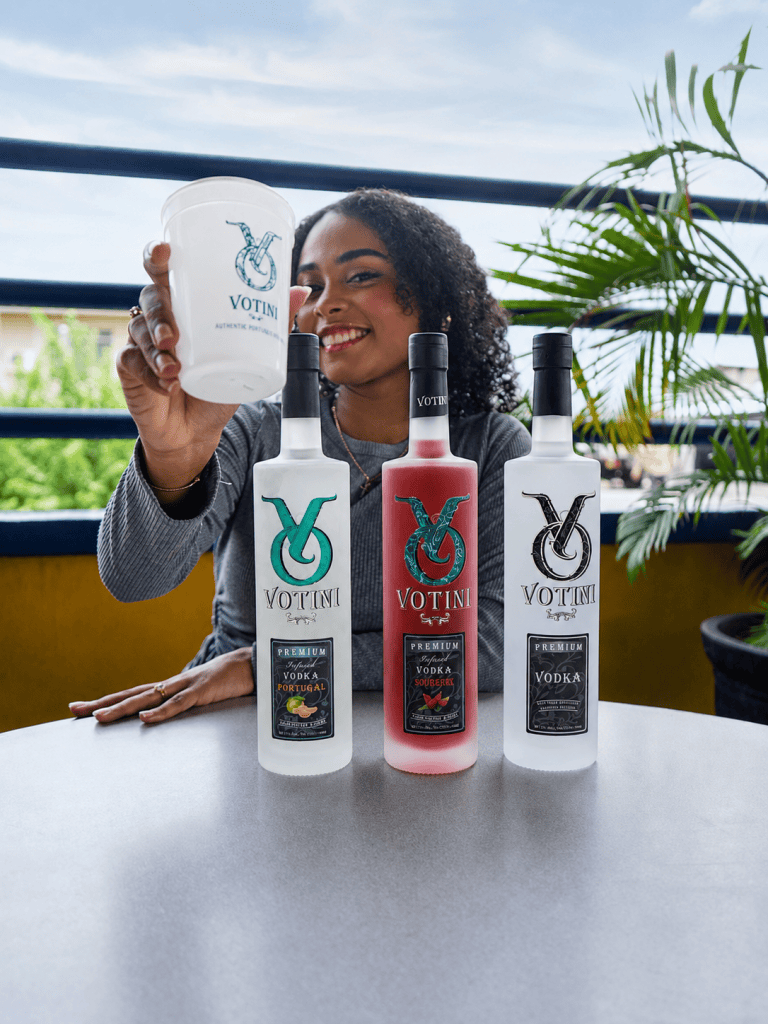
That specificity matters. Caribbean products are too often reduced to a handful of predictable visual and flavour cues created for someone looking at the region from the outside. Votini begins from inside the culture instead. It does not need to manufacture an idea of Trinidad and Tobago because the ingredients already carry the story.
Even its name tells you what the brand is trying to do. Votini is a meeting point between vodka, Trini and martini, an invented word that manages to feel both familiar and new. It gives the spirit a sense of place while signalling that this is a product made to be poured, mixed, shaken, shared and enjoyed socially. Votini has never positioned itself as vodka for the back of a cabinet. It belongs in the glass.
That relationship with cocktail culture has been present from the beginning. The brand grew from an interest in mixology into a much larger question: what would happen if vodka were approached through the flavours of Trinidad and Tobago? From there came experimentation with distilling, blending and infusion, eventually developing into a commercial product that could sit on a shelf beside imported spirits while offering something none of them could genuinely replicate.
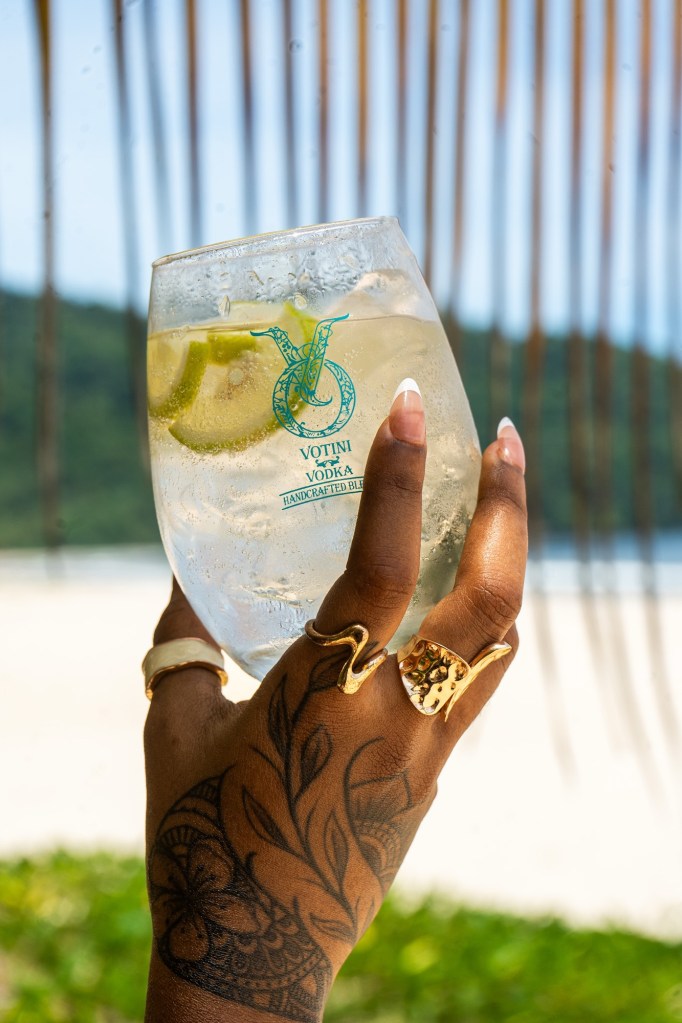
Its local ingredients became one of Votini’s most important distinctions. By sourcing fruit from Trinidad and Tobago farmers and producing in small batches, the brand connected itself not only to flavour but to the people and agricultural systems behind those flavours. That makes the bottle part of a longer chain. The fruit is grown here, transformed here and turned into something that can ultimately travel far beyond here.
That idea becomes especially interesting when you consider the global spirits market. Vodka is one of the world’s most established alcohol categories, dominated by brands from Europe, North America and increasingly large multinational portfolios. Competing simply by making another plain vodka would give a small Trinidad and Tobago brand very little room to say something distinctive. Votini’s advantage is precisely the thing the international brands cannot authentically manufacture: Trinidad and Tobago itself.
Portugal may be the best example.
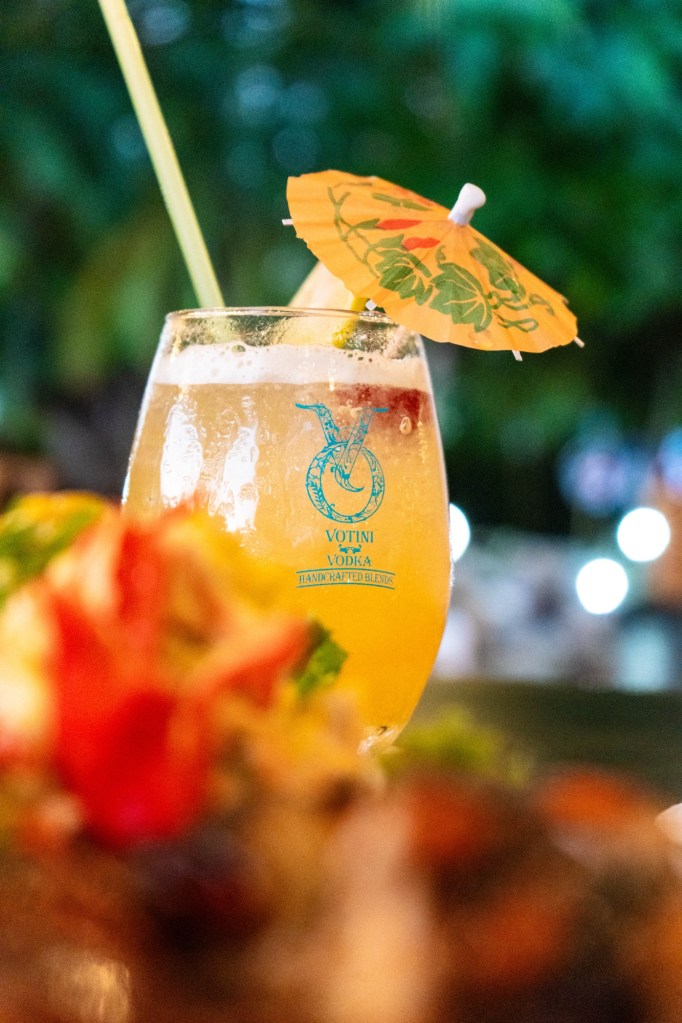
Outside this country, the word may require explanation. Here, it hardly does. We know the fruit, the smell of the peel, the particular sweetness and acidity and the difference between Portugal and the generic oranges sitting beside it. Turning that familiarity into a vodka flavour gives Votini something far more valuable than novelty. It gives the brand cultural ownership.
Sorrel carries a different kind of memory. It is one of those flavours capable of transporting a Trinidadian immediately to a particular season, kitchen or family gathering. Putting it into a vodka takes something traditional and moves it into contemporary cocktail culture without disconnecting it from where it came from. The result is not nostalgia packaged for its own sake. It is an example of how local brands can take ingredients we know intimately and create new occasions for them.
That has always been one of Votini’s strongest ideas. The brand is not trying to replace the traditional ways Trinidad and Tobago consumes these flavours. It is expanding where those flavours can go.
They can move from the Christmas table to the cocktail menu. From the market stall to a premium spirits shelf. From a farmer’s crop into a bottle someone might eventually carry through an airport and introduce to someone thousands of miles away.
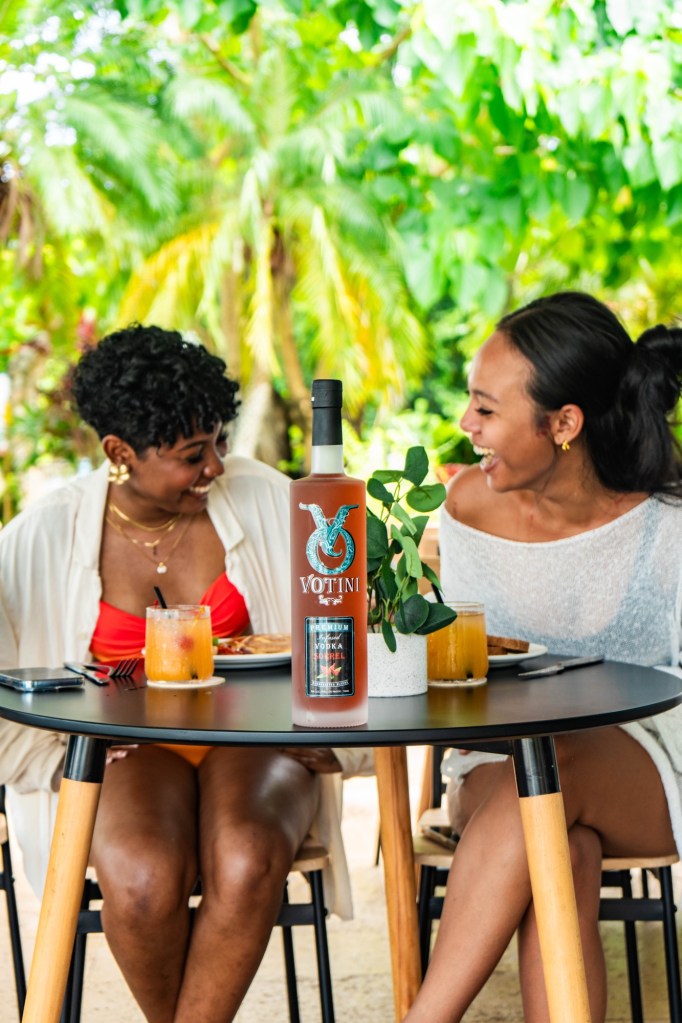
Over the years Votini has increasingly entered the spaces where Trinidad and Tobago drinks and celebrates. Carnival has naturally become an important period for the brand, with Votini appearing at events including Fatima Fete and Hyatt Lime and becoming part of the country’s busy social calendar. The connection feels organic because the product already belongs to the rhythms of celebration. It is colourful, mixable and designed for an audience that understands that what is in the glass is often part of the experience around it.
Retail expansion has taken that experience beyond the event bar. Votini has moved into supermarkets, liquor stores, restaurants and other points of sale, giving a locally created vodka the chance to compete directly with internationally recognised labels. That shelf placement matters because every locally made product entering a category dominated by imports is quietly challenging an assumption about what Trinidad and Tobago is capable of producing.
Votini’s appearance in premium hospitality environments makes the point even more clearly. When a Trinidad and Tobago vodka can sit in the same conversation as established global brands, the question is no longer whether a local spirits brand belongs there. The question becomes what makes someone choose it.
For Votini, the answer is flavour, experience and origin.
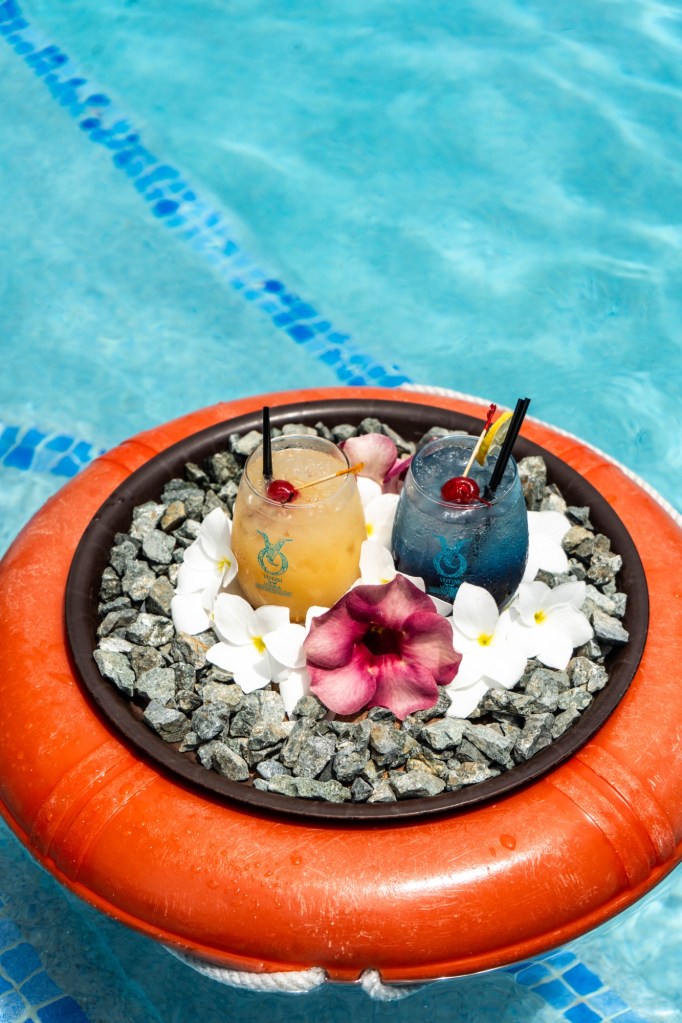
The bottle offers something a multinational vodka brand cannot reproduce by adding a palm tree to a campaign. It offers the actual taste references of the place where it was created.
That makes Votini part of a much larger conversation about what local branding can become. Trinidad and Tobago has no shortage of creative businesses, but the strongest local brands move beyond selling locally made products and begin translating our culture into something commercially distinctive. They take the things we already know, the ingredients, language, habits, memories and ways of living, and recognise that these can become intellectual and commercial assets rather than background scenery.
Votini does that through flavour.
There is also an important distinction between using local culture as decoration and building a product from it. A label can always be redesigned. A campaign can borrow Carnival imagery for a season. But when Portugal or sorrel is inside the actual liquid, the cultural connection becomes part of the product itself.
That is where the brand becomes more interesting.
Votini is not simply asking consumers to support something because it is local. That argument alone has never been enough to sustain a brand. Consumers still expect quality, consistency, presentation and an experience worth repeating. The opportunity for Votini is to make its Trinidad and Tobago origin a reason for desirability rather than a request for sympathy.
Its continued presence in the market suggests that this distinction has mattered. What began as an idea around 2016 has had to survive the considerably less romantic realities of manufacturing, distribution, retail, customer education and competition. It has had to move from being a new local curiosity to becoming a brand people recognise and can find again.
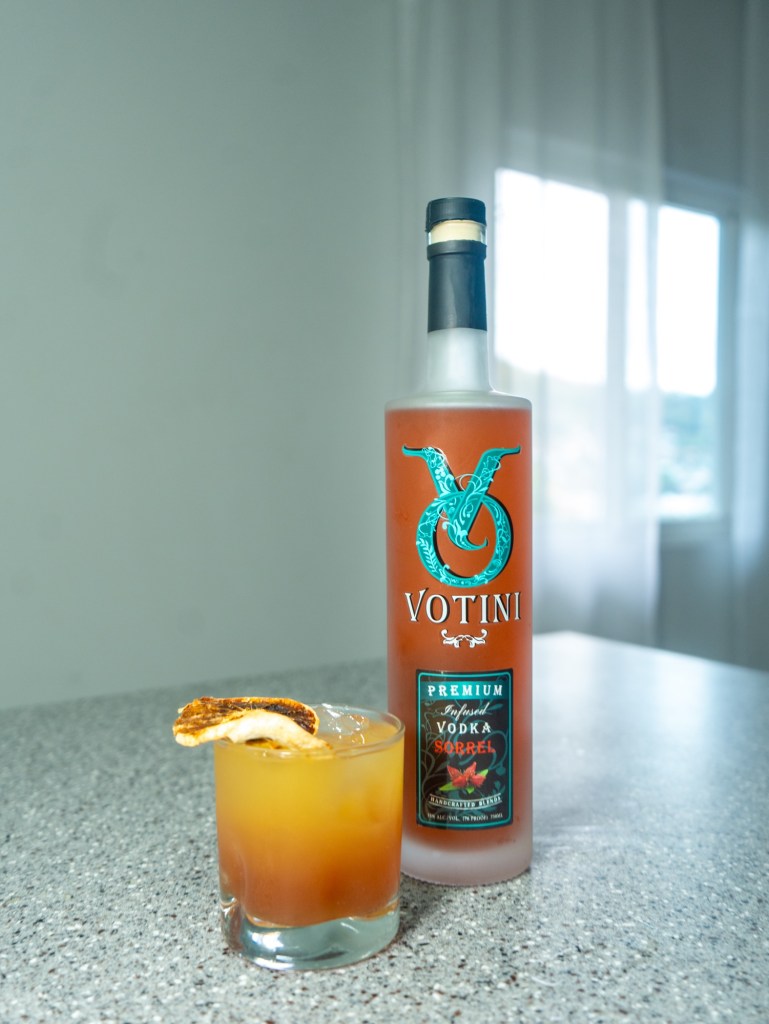
That evolution is perhaps more important than any single launch moment. Trinidad and Tobago has seen many beautiful local products appear with excitement and disappear just as quickly. Building a spirits brand requires something different because alcohol is an exceptionally competitive category with established consumer habits, enormous international marketing budgets and long-standing brand loyalties.
Votini has had to carve out its place differently.
It has done so by making Trinidad and Tobago the ingredient rather than merely the location.
Behind the brand is founder Carla Chan, whose curiosity about mixology eventually developed into the company Votini is today. Her story is threaded through the business, from learning the processes behind alcohol production to balancing its growth with a career in Information Technology and family life. But what makes the journey interesting now is that the idea has grown beyond the person who first imagined it. Votini has become something consumers can encounter independently, on a retail shelf, at an event, at a bar or poured into a cocktail without ever knowing the founder’s name.
That is one of the points at which a business begins becoming a brand.
It starts carrying its own meaning.
Today Votini can stand for a way of experiencing Trinidad and Tobago through a spirit category not traditionally associated with us. It can introduce someone to Portugal without giving them the fruit. It can turn sorrel into something consumed outside December. It can take ingredients cultivated here and move them into spaces where Trinidad and Tobago products are still underrepresented.

And perhaps that is the more ambitious version of the Votini story.
Not simply that a Trinidadian entrepreneur created vodka.
It is that a Trinidad and Tobago brand looked at one of the world’s most established spirits and decided it did not have to taste like everybody else’s.
Votini tastes like here.


